Ruled Paper for Kindergarten: Strategic Implementation for KDP Interiors
The low-content publishing market on Amazon KDP has matured significantly, moving beyond simple saturation into a phase where specificity and technical precision drive profitability. Among the various niches available, Ruled Paper for Kindergarten remains a cornerstone category not because of novelty, but because of consistent, recurring demand from educators and parents. For publishers and creators, this interior type represents more than just lined pages; it is a standardized product with specific technical requirements that, when executed correctly, can serve as a reliable revenue stream. Understanding the strategic application of this interior requires looking past the simplicity of the lines and focusing on the user experience, technical compliance, and market positioning that differentiate a bestseller from a forgotten listing.
Defining the Product and Market Utility
Ruled Paper for Kindergarten is distinct from standard notebook paper or college-ruled journals. It is specifically engineered for early childhood motor skill development, typically featuring wider spacing between lines to accommodate larger, less refined handwriting. Strategically, this product serves a dual purpose in the KDP ecosystem. First, it acts as a consumable educational tool for homeschoolers, tutors, and kindergarten teachers who require bulk practice materials. Second, it functions as a foundational asset for creators building a brand around early childhood education. Unlike creative journals which rely heavily on cover design trends, handwriting practice books rely on functional utility. The value proposition is entirely dependent on the accuracy of the interior layout and its alignment with developmental standards.
For entrepreneurs and freelancers entering this space, the utility lies in the "evergreen" nature of the niche. While seasonal trends affect sales volume, the fundamental need for handwriting practice does not disappear. However, success depends on treating this as a professional publishing endeavor rather than a passive income shortcut. The interior must be viewed through the lens of the end-user: a five or six-year-old child and the adult facilitating their learning. If the line spacing is incorrect, the margins are too narrow for small hands, or the paper quality perception is poor due to formatting errors, the product fails its primary function regardless of how attractive the cover may be.
Technical Specifications as a Competitive Advantage
In a marketplace flooded with generic interiors, adherence to precise technical specifications becomes a primary differentiator. Many failed KDP products in this niche suffer from improper bleed settings or incorrect trim sizes that result in rejected uploads or poor customer reviews. A strategically sound approach prioritizes the following tested specifications:
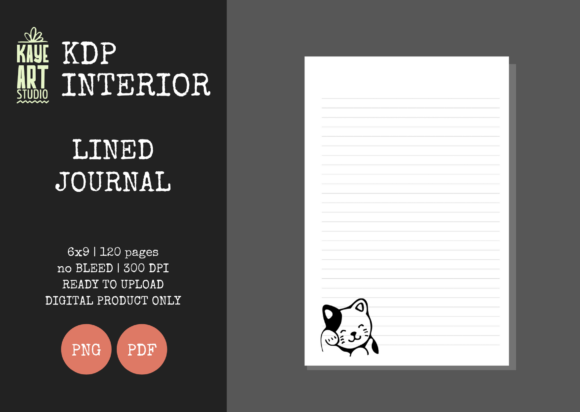
- Trim Size 8.5 x 11 Inches: This is the industry standard for kindergarten worksheets and practice books. Deviating from this size without significant market research often leads to friction, as parents and teachers expect compatibility with standard folders, binders, and classroom storage systems.
- No Bleed Settings: For ruled handwriting paper, selecting "No Bleed" is generally the superior strategic choice. This ensures that all lines and margins remain safely within the printable area, preventing critical guidelines from being trimmed off during manufacturing. It also simplifies the file preparation process and reduces the risk of rejection during the KDP review phase.
- 120 Pages: This page count strikes an optimal balance between perceived value and production cost. A book that is too thin feels insubstantial, while one that is too thick becomes unwieldy for a young child and increases printing costs, thereby squeezing royalty margins. One hundred and twenty pages provide sufficient content for a semester of practice without overwhelming the user.
- PDF File Type: Uploading in PDF format preserves the exact vector quality of the lines. Word documents or image files can shift during conversion, leading to misaligned margins or pixelated guidelines. A pre-tested PDF ensures consistency across every printed copy.
Using a KDP-tested interior eliminates the guesswork associated with margin safety zones and gutter allowances. For creators managing multiple SKUs, this reliability reduces operational overhead and minimizes the risk of negative feedback related to printing defects.
Strategic Positioning and Brand Alignment
Merely uploading a compliant file is insufficient for long-term success. Publishers must consider how Ruled Paper for Kindergarten fits into a broader portfolio strategy. Thoughtful use of this interior supports business goals by establishing authority in the education niche. Rather than publishing isolated titles, successful creators often develop series that progress in difficulty or theme. For example, a publisher might offer a sequence starting with basic straight-line tracing, moving to standard kindergarten ruling, and advancing to first-grade spacing. This approach encourages repeat purchases and builds brand loyalty among parents who trust the consistency of your materials.
Positioning also involves understanding the distinction between "dotted lined journals" and standard ruled paper. Dotted midlines are essential for teaching letter formation, whereas solid lines are better for copying sentences. Creators should decide intentionally which variation serves their target audience's current needs. Mixing these formats without clear labeling can confuse buyers and lead to returns. Strategic planning involves researching keywords and competitor listings to identify gaps. Are there enough dotted-line options? Is there a demand for themed handwriting paper (e.g., animals, space, seasonal)? Aligning the interior choice with specific search intent transforms a generic commodity into a targeted solution.
Operational Efficiency and Risk Mitigation
While Ruled Paper for Kindergarten is considered an accessible entry point for KDP publishers, relying on it without clear goals introduces specific risks. The most common pitfall is commoditization. Because the barrier to entry is low, the market is sensitive to price and review velocity. Entering this niche without a plan for differentiation or marketing often results in zero sales. To mitigate this, publishers should treat the interior as a component of a larger value proposition. This might include bundling the physical book with digital downloads, creating complementary teacher guides, or leveraging social media to demonstrate the product’s effectiveness in real-world learning scenarios.
Another risk involves platform dependency. KDP guidelines and printing specifications evolve. Using outdated templates or unverified files can result in account warnings or blocked publications. Prioritizing "Ready for Upload" and "KDP Tested" assets is a form of operational insurance. It ensures that time spent on marketing and listing optimization is not wasted on technical rejections. Furthermore, creators should maintain master files of their interiors. If Amazon updates its margin requirements, having editable source files allows for rapid adaptation, whereas relying solely on pre-made PDFs from third parties may leave you unable to update your catalog efficiently.
Enhancing Customer Experience Through Intentional Design
The ultimate metric for success in educational publishing is student outcomes and user satisfaction. When utilizing Ruled Paper for Kindergarten, consider the physical interaction between the child and the book. Strategic creators analyze sample copies to evaluate paper opacity, line darkness, and binding flexibility. While KDP’s standard white paper is suitable for pencils and crayons, it may bleed with markers. Acknowledging this limitation in the book description manages customer expectations and reduces negative reviews. Additionally, including introductory pages that explain how to use the book or offering tips for parents adds tangible value that distinguishes your product from bare-bones competitors.
Intentionality extends to the visual hierarchy of the page. Ensure that header spaces for names and dates are adequately sized and clearly marked. Consider adding subtle visual cues or icons that help children orient the page correctly. These micro-decisions contribute to a polished user experience that signals professionalism. When customers perceive that a product was designed with care rather than generated algorithmically, they are more likely to leave positive reviews and recommend the brand to others. In the education sector, word-of-mouth is a powerful driver of organic growth, and it is earned through consistent attention to functional details.
Making Informed Decisions for Long-Term Value
Before integrating Ruled Paper for Kindergarten into your publishing roadmap, conduct a realistic assessment of your resources and objectives. Ask whether this product aligns with your existing expertise or brand identity. If you have no connection to education or parenting, the learning curve for effective marketing may be steeper. Conversely, if you are an educator or parent, leverage that authenticity in your metadata and author bio. Evaluate the financial viability based on current printing costs and competitive pricing. Calculate your break-even point and determine if the projected volume justifies the effort required to create unique covers and optimized listings.
Ultimately, Ruled Paper for Kindergarten should be approached as a strategic asset within a diversified publishing business. It offers stability and scalability when treated with professional rigor. By adhering to tested technical specifications like the 8.5 x 11 no-bleed format, focusing on user-centric design, and avoiding the trap of random uploading, publishers can build a sustainable presence in this enduring niche. Success is not found in the lines themselves, but in the thoughtful execution of the product that surrounds them. Make decisions based on data, user needs, and long-term brand equity rather than short-term trends, and this interior type can become a dependable pillar of your KDP portfolio.