Kdp Love Story Writing Personal Diary: A Complete Resource for Low-Content Publishers
For independent publishers and designers navigating the competitive landscape of Amazon KDP, finding a niche that balances emotional resonance with commercial viability is essential. The Kdp Love Story Writing Personal Diary represents a specialized intersection in the low-content book market, catering to readers who wish to document romantic journeys, relationship milestones, or personal reflections on love. Unlike generic journals, this specific format targets an audience seeking structure for their emotional narratives. For creators, utilizing professional interiors like the KDP LOVE STORE DAGBOEK ensures that the final product meets high standards of quality and usability, distinguishing it from amateur submissions.
Understanding the Niche and Audience Needs
The concept of a love story diary extends beyond simple journaling. It serves as a tangible artifact for couples celebrating anniversaries, individuals processing complex relationships, or writers drafting romantic fiction. When creating a Kdp Love Story Writing Personal Diary, publishers must understand that the end-user is looking for more than blank lines; they are seeking a safe, aesthetically pleasing space for vulnerability. This creates specific challenges for designers regarding paper quality, layout psychology, and technical specifications.
Many self-publishers struggle with the technical aspects of interior design. Common pain points include ink bleed-through on standard KDP paper, improper margins that ruin the writing experience, and file formats that fail during the upload process. Addressing these issues requires a solution-focused approach to product selection. By leveraging pre-designed, professional-grade interiors such as the KDP Interiors DOT PAPER voor ontwerper, creators can bypass technical hurdles and focus on cover design and marketing strategies that drive sales.
Technical Specifications That Ensure Quality
Quality is the primary differentiator in the saturated journal market. When evaluating resources for a Kdp Love Story Writing Personal Diary, specific technical attributes directly influence customer satisfaction and review ratings. The following specifications are critical for producing a premium user experience:
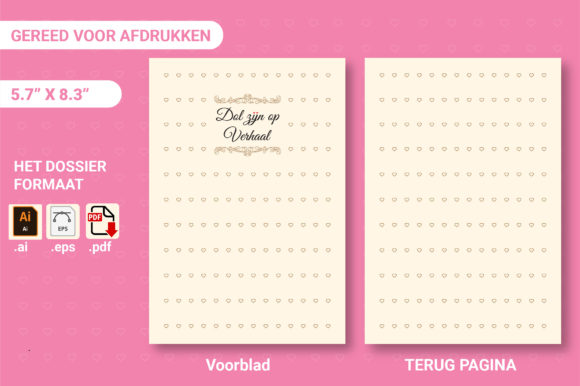
- Optimized Dimensions: The 5.7 × 8.3 inch trim size offers a portable yet substantial feel. It is distinct from the ubiquitous 6x9 size, signaling to buyers that this is a specialized item rather than a mass-produced notebook.
- No Bleeding Guarantee: One of the most frequent complaints in low-content book reviews is ink transfer. Utilizing interiors specifically engineered with "Geen bloeding" (no bleeding) considerations ensures that gel pens, markers, and fountain pens do not ruin subsequent pages, preserving the integrity of the user's memories.
- Page Count Balance: With 160 pages, the diary strikes an ideal balance between value and portability. It provides enough space for long-term documentation without becoming unwieldy or intimidating to fill.
- Included Front Matter: The inclusion of a dedicated title page ("Met voorblad") adds a layer of professionalism and allows the owner to personalize the book immediately, enhancing perceived value.
Streamlining Production with Professional File Formats
Efficiency in publishing workflows determines profitability. Sourcing a Kdp Love Story Writing Personal Diary interior that arrives in multiple editable formats significantly reduces production time. Professional resources typically provide files in AI, PDF, and .EPS formats. This versatility is crucial for designers who need to customize elements without rebuilding layouts from scratch.
The availability of a high-quality, print-ready PDF is perhaps the most valuable asset for immediate publication. This eliminates guesswork regarding bleed settings, margin safety zones, and resolution requirements. For designers using Adobe Illustrator or similar vector software, the AI and EPS files allow for deep customization. You might choose to add unique prompts, adjust the dot grid density, or incorporate branding elements that align with your specific cover design. This flexibility ensures that while the structural foundation is professional, the final product remains unique to your brand identity.
Practical Applications and User Scenarios
To market a Kdp Love Story Writing Personal Diary effectively, publishers should visualize how different demographics utilize the product. Tailoring your description and keywords to these specific use cases improves discoverability and conversion rates.
For Couples and Gift-Givers
This demographic seeks shared experiences. They use dot paper interiors to create scrapbook-style entries, combining written reflections with ticket stubs or photos. The 5.7 × 8.3 inch size fits easily into travel bags for honeymoons or weekend getaways. Marketing to this group should emphasize the durability and aesthetic appeal of the no-bleed paper, assuring buyers that their mementos will remain pristine.
For Creative Writers and Fiction Authors
Romance authors often use physical journals for character development and plot outlining. Dot paper is superior to lined paper for this audience because it facilitates mind mapping, timeline sketching, and free-form brainstorming alongside traditional text. Highlighting the utility of the dot grid format in your book description can attract this underserved segment of the writing community.
For Mental Health and Self-Reflection
Individuals exploring self-love or healing from past relationships require a non-judgmental space. The structured yet open nature of a dot paper diary supports therapeutic journaling practices. For this audience, the tactile quality of the book matters immensely. Ensuring the interior feels premium through correct file implementation helps establish trust and encourages consistent use.
Implementation Strategies for Designers
Successfully launching a Kdp Love Story Writing Personal Diary involves more than uploading a file. It requires strategic implementation of the provided assets. When working with the KDP LOVE STORE DAGBOEK KDP Interiors DOT PAPER voor ontwerper, consider the following best practices to maximize the potential of the resource:
- Verify Print Settings: Always cross-reference the provided print-ready PDF dimensions with KDP’s current printing specifications. While the 5.7 × 8.3 inch size is standard for this product line, confirming gutter margins based on the 160-page count prevents text or dots from drifting too close to the spine.
- Customize the Title Page: Use the editable AI or EPS files to enhance the included front matter. Adding a "This Book Belongs To" section with elegant typography or a quote about love can increase the emotional connection before the user even reaches the first dot page.
- Create Complementary Covers: Since the interior is fixed at 5.7 × 8.3 inches, your cover design must be perfectly sized. Use the exact template dimensions derived from the interior file to ensure seamless alignment. A cohesive visual theme between the cover and the interior style reinforces brand quality.
- Leverage High-Resolution Assets: Ensure that any modifications made to the EPS or AI files maintain vector integrity. Rasterizing elements unnecessarily can lead to pixelation in print. Keeping the source files vector-based guarantees crisp dots and clean lines, which is essential for a writing instrument-friendly surface.
Elevating the Customer Experience
Ultimately, the success of any KDP product relies on meeting user expectations. The Kdp Love Story Writing Personal Diary succeeds because it addresses specific functional needs—size, paper performance, and format flexibility—that generic notebooks ignore. By prioritizing these technical and experiential details, publishers move beyond competing solely on price and begin competing on value.
When selecting interiors like the KDP LOVE STORE DAGBOEK, view them as foundational components of a broader brand strategy. The combination of no-bleed assurance, thoughtful sizing, and professional file deliverables empowers creators to produce books that users cherish. In a marketplace flooded with low-effort content, providing a meticulously crafted tool for documenting love stories is a sustainable path to building a loyal readership and achieving long-term publishing success. Focus on the intersection of technical precision and emotional utility, and your diary will stand out as a premier choice for those looking to capture their most meaningful moments.