Maximizing KDP Success with Pink Paper Lined Journal Interiors: A Complete Guide for Low-Content Publishers
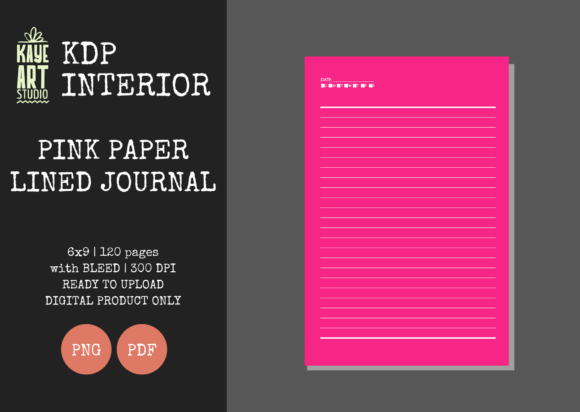
The landscape of self-publishing has evolved dramatically over the last decade, transforming from a niche hobby into a legitimate business model for entrepreneurs worldwide. At the forefront of this movement is Amazon’s Kindle Direct Publishing (KDP) platform, specifically the low-content and no-content book category. Among the myriad of options available to publishers, the KDP Pink Paper Lined Journal has emerged as a standout product. Whether you are utilizing the specific "KDP Pink Paper Lined Journal 2" asset or the versatile "KDP Interiors Pink Paper Lined Journal," understanding the nuances of this product is essential for building a sustainable publishing portfolio.
This guide explores the purpose, technical specifications, and strategic relevance of pink lined journal interiors in modern self-publishing. By moving beyond simple file uploads and understanding the "why" and "how" behind these assets, publishers can create products that genuinely resonate with customers while adhering to Amazon’s rigorous quality standards.
The Rise of Aesthetic Functionality in Low-Content Books
To understand why a specific interior like the pink paper lined journal is significant, one must first understand the shift in consumer behavior regarding stationery. In the digital age, physical notebooks have transitioned from mere utility items to lifestyle accessories. The "aesthetic" movement, heavily influenced by social media platforms and studygram communities, has created a demand for stationery that is visually pleasing as well as functional.
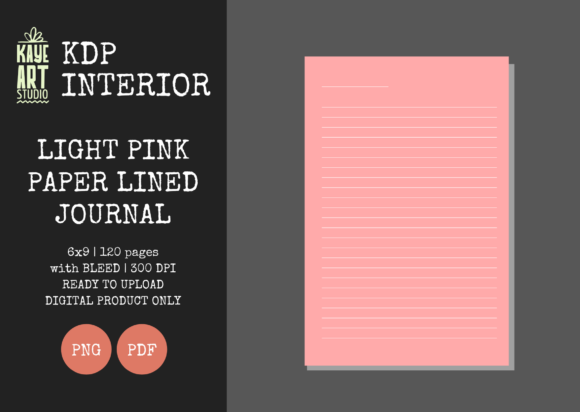
Pink paper interiors serve a distinct psychological and visual purpose. Unlike standard white paper, which can sometimes feel sterile or clinical, soft pink tones offer warmth and reduce eye strain. This makes them particularly popular in niches such as:
- Gratitude and Mindfulness Journals: Where the color psychology of pink aligns with themes of self-care, compassion, and emotional reflection.
- Student Planners and Notes: Catering to demographics that prefer colorful, personalized school supplies over generic alternatives.
- Creative Writing and Poetry: Providing an inspiring backdrop that encourages creative flow rather than rigid documentation.
- Gift Markets: Serving as attractive base materials for journals intended as birthday, holiday, or appreciation gifts.
By offering a pre-designed pink interior, you are not just selling lines on a page; you are selling an experience and an aesthetic that saves the customer time and enhances their writing ritual.
Technical Mastery: Understanding Trim Size and Bleed Settings
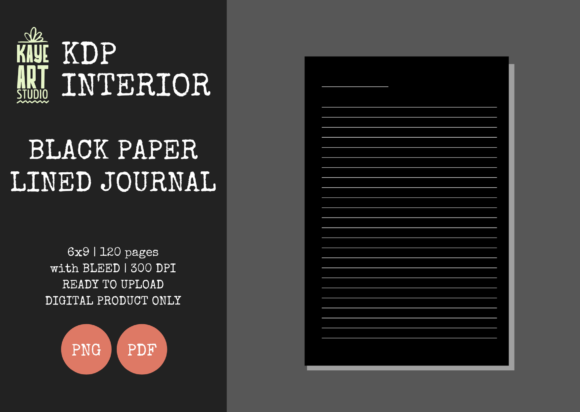
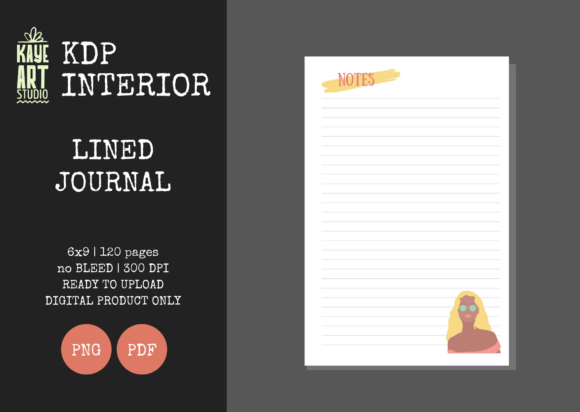
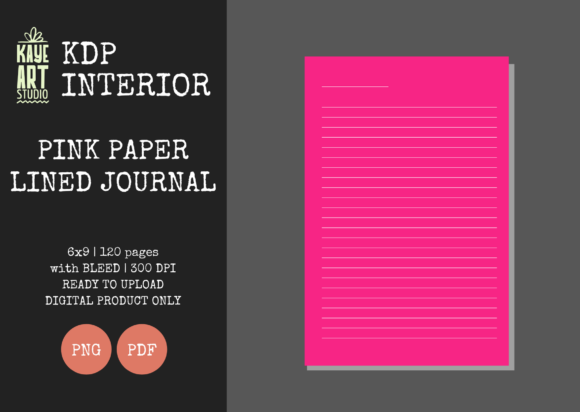
Success in KDP publishing relies heavily on technical precision. A beautiful design will fail if it does not meet printing specifications. The KDP Pink Paper Lined Journal typically comes in a 6×9 inch trim size, which is arguably the most versatile dimension in the industry. It strikes a perfect balance between portability and writing space, making it suitable for purse-carrying professionals, students, and bedside journalers alike.
The Critical Importance of Bleed
One of the most common points of confusion for new publishers is the concept of "bleed." The product notes for this interior explicitly state: Don’t FORGET to choose “BLEED” when uploading on KDP. But what does this actually mean for your workflow?
Bleed refers to artwork or background color that extends beyond the final trim edge of the page. Because mechanical cutting during the printing process has a slight margin of error, any colored background (like pink paper) must extend past the cut line to ensure no unprinted white edges appear on the final book. If you select "No Bleed" but upload a file where the pink color touches the edge, KDP’s automated review system will reject your manuscript, or worse, print it with unintended white borders.
When using ready-made interiors like the KDP Pink Paper Lined Journal 2, the files are already formatted with the correct bleed margins. Your responsibility is to ensure your cover file matches these dimensions and that you check the appropriate box during the upload process. This synchronization between interior and cover is non-negotiable for professional quality.
File Quality and Format: Why 300 DPI Matters
The specification of 300 DPI (Dots Per Inch) is the industry standard for print clarity. While screens display images at lower resolutions, print requires high density to avoid pixelation or blurriness. For a lined journal, crisp lines are essential. Fuzzy or jagged lines suggest poor quality to the customer and can lead to negative reviews.
The availability of both PNG and PDF formats offers flexibility for different workflows:
- PDF Files: These are generally preferred for direct upload to KDP as they preserve vector-like sharpness and embed fonts/graphics securely. They are the "ready-to-go" option for publishers who want to minimize manipulation.
- PNG Files: These are ideal for publishers who wish to customize the interior before publishing. You might want to add a title page, insert motivational quotes every ten pages, or combine the pink lined pages with other elements like trackers or coloring pages. PNGs allow for layer-based editing in software like Canva, Photoshop, or Affinity Publisher.
Regardless of the format chosen, always verify the resolution before uploading. A 120-page journal at 300 DPI ensures that every page, from the first to the last, maintains consistent professional quality.
Strategic Integration: Covers and Niche Research
It is vital to remember the disclaimer: This listing is for INTERIOR only, you have to make your own covers. This distinction highlights the core value proposition of low-content publishing. The interior provides the functional foundation, but the cover provides the market positioning.
A pink lined interior is a chameleon; it adapts to whatever cover you pair it with. However, this versatility requires strategic thinking. You cannot simply slap a generic floral cover on it and expect sales. Modern KDP success requires niche research. Consider how the pink interior complements specific cover designs:
- Nurse or Medical Student Journals: Pair the pink interior with anatomy-themed or pastel medical covers for a cohesive brand.
- Bridal Planning: Combine with elegant typography and lace textures for wedding organizers.
- Teacher Appreciation: Match with chalkboard or apple motifs for end-of-year gifts.
The interior is tested and ready, but the commercial viability depends entirely on how well you match that interior to a specific audience's needs through your cover design and metadata.
Common Misunderstandings in Low-Content Publishing
As you integrate assets like the KDP Interiors Pink Paper Lined Journal into your business, be aware of common pitfalls that affect many publishers.
Misconception: Ready-Made Means Duplicate Content Issues
Many beginners worry that using a pre-made interior will flag their book as duplicate content. While KDP does discourage identical books, interiors themselves are rarely the sole factor in duplication flags. Thousands of books use standard college-ruled lines. Differentiation comes from your unique cover, title, subtitle, description, and keyword strategy. The pink paper adds a layer of uniqueness compared to standard white interiors, further distinguishing your product.
Misconception: Upload and Forget
Having a file that is "tested on KDP" guarantees technical compliance, not sales. Technical readiness eliminates friction in the publishing process, allowing you to focus on marketing and expansion. Treat these interiors as tools to speed up production so you can spend more time on keyword research, ad campaigns, and brand building.
Building a Sustainable Business Model
Incorporating specialized interiors like the 6×9 pink lined journal represents a maturation of the low-content business model. We have moved past the era of blank white notebooks. Today’s successful publishers are curators of specific experiences. By understanding the technical requirements of bleed and DPI, recognizing the aesthetic value of colored paper, and strategically pairing interiors with targeted covers, you build a catalog that serves real human needs.
Whether you are creating a daily gratitude practice tool, a student notebook, or a creative outlet, the KDP Pink Paper Lined Journal offers a reliable, high-quality foundation. Remember to always double-check your bleed settings, leverage the flexibility of PNG and PDF formats, and never underestimate the power of a custom cover. With these principles in mind, you are well-equipped to navigate the competitive yet rewarding world of KDP publishing.