Optimizing Low-Content Publishing with the KDP Lined Journal 14 Interior Specification
The landscape of self-publishing on Amazon has evolved significantly, moving beyond simple text-based books to include a vast array of low-content and medium-content publications. Among these, lined journals remain a staple for creators seeking to establish a presence in the marketplace without the extensive writing requirements of traditional manuscripts. However, success in this niche is no longer guaranteed by mere participation; it requires technical precision and adherence to platform standards. The KDP Lined Journal 14 specification represents a refined approach to interior design, specifically engineered to meet the rigorous quality controls of modern print-on-demand services while providing a functional canvas for end-users.
Understanding the specific parameters of this interior template is essential for publishers who wish to avoid common rejection errors and deliver a professional product. This specification is not merely a set of dimensions but a comprehensive framework that dictates file preparation, resolution standards, and layout constraints. By mastering these technical elements, creators can streamline their workflow and focus on the external differentiation of their products through unique cover designs.
Technical Architecture and Print Compliance
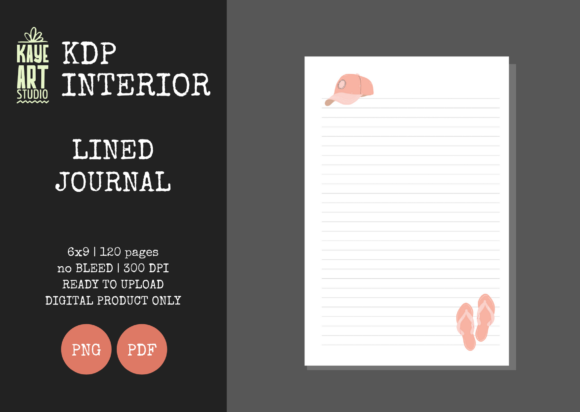
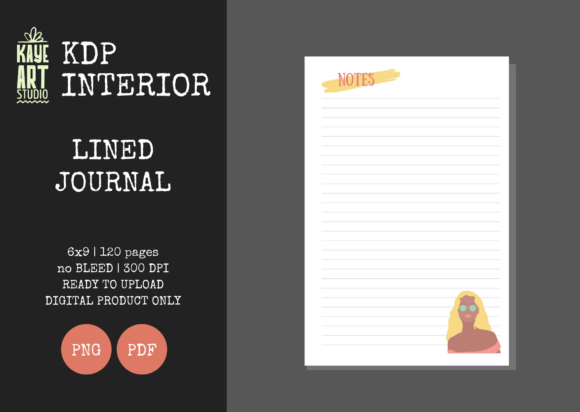
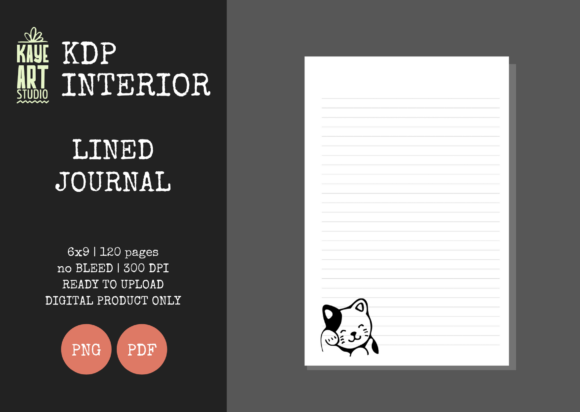
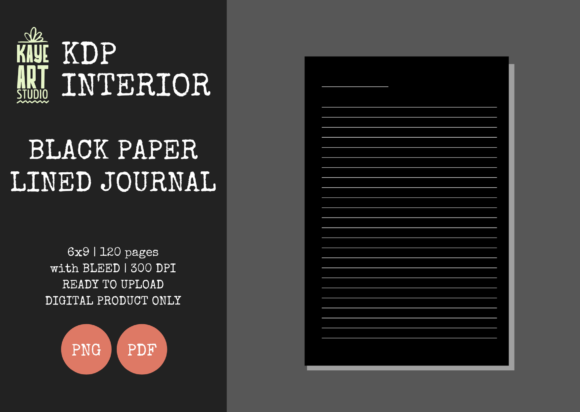
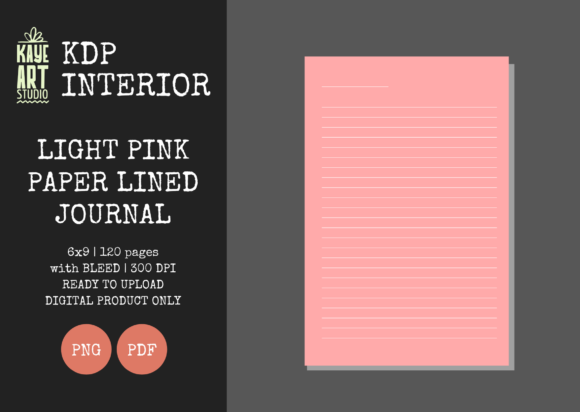
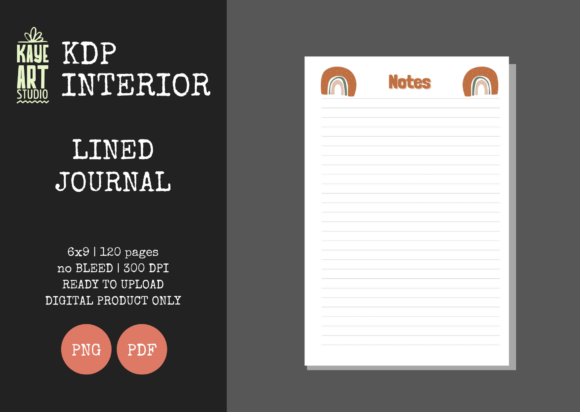
The foundation of any successful KDP upload lies in strict adherence to printing specifications. The KDP Lined Journal 14 is configured with a trim size of 6×9 inches, which is widely regarded as the industry standard for trade paperbacks and journals. This dimension offers an optimal balance between portability and writing space, making it suitable for everything from academic note-taking to personal reflection. Crucially, this specific interior template utilizes a NO BLEED setting. This distinction is vital for file preparation because it mandates that all content, including line work and margins, must remain within the safe zone defined by Amazon’s printing guidelines.
In a no-bleed configuration, the printer does not trim the edge of the page where the ink extends. Therefore, designers must ensure that no graphical elements or lines touch the absolute edge of the document. Failure to respect this boundary often results in automated rejection during the upload process or, worse, a printed product where content is inadvertently cropped. The KDP Lined Journal 14 accounts for this by pre-formatting the safe zones, allowing users to concentrate on content rather than calculating margin tolerances manually.
Resolution is another non-negotiable aspect of this specification. The requirement for 300 DPI (dots per inch) ensures that the horizontal rules appear crisp and dark rather than pixelated or gray. While digital screens may display lower-resolution images adequately, physical printing demands high-density pixel information to reproduce fine lines cleanly. Files prepared below this threshold often suffer from aliasing artifacts that degrade the perceived value of the journal. By adhering to the 300 DPI standard inherent in the KDP Lined Journal 14, publishers guarantee that the tactile experience of writing on the page matches the visual expectation set by the listing.
File Format Versatility and Workflow Integration
Digital asset management plays a significant role in the efficiency of a publishing business. This interior specification supports both PNG and PDF file types, offering flexibility depending on the creator's software ecosystem. PDF is generally preferred for final uploads due to its ability to embed fonts and vector data, ensuring consistent rendering across different operating systems and previewers. Vector-based PDFs also result in smaller file sizes and infinite scalability without quality loss, which is ideal for line art.
Conversely, PNG support caters to designers who work primarily in raster-based environments like Procreate or Photoshop. For those creating custom headers, footers, or decorative elements to overlay onto the standard lines, PNG provides a transparent background option that simplifies layering. The dual-format compatibility of the KDP Lined Journal 14 allows for a hybrid workflow where base structures are maintained in vector format while artistic additions are integrated via high-resolution raster images. Regardless of the chosen format, the files have been tested on KDP to verify compatibility, reducing the trial-and-error phase that often plagues new publishers.
Strategic Differentiation Through Cover Design
A critical operational note for this specification is that the listing provides the INTERIOR only. Publishers are required to create their own covers. This separation of interior and exterior assets is actually a strategic advantage rather than a limitation. In a saturated market, the interior functionality is often standardized; the primary variable that drives conversion is the cover aesthetic. By utilizing a pre-validated interior like KDP Lined Journal 14, creators can allocate the majority of their creative energy and budget toward developing distinctive cover art that targets specific sub-niches.
This modular approach facilitates rapid iteration. A publisher can use the same verified 120-page interior across multiple titles, each with a unique cover targeting different demographics such as nurses, teachers, fitness enthusiasts, or gratitude practitioners. Because the interior is already compliant with bleed and margin settings, the risk of formatting errors is isolated to the cover file alone. This significantly accelerates the time-to-market for new variations and allows for A/B testing of cover concepts without the overhead of reformatting internal pages.
Furthermore, understanding that the interior is a fixed component encourages better keyword research and niche validation. Since the writing experience remains constant, the success of the book hinges entirely on how well the cover and metadata align with user intent. Professionals and hobbyists alike benefit from this clarity, as it removes technical ambiguity and focuses the business strategy on market fit and visual branding.
Functional Applications Across User Demographics
The 6×9 inch form factor with 120 pages serves a diverse array of practical applications. For educators and students, this size fits easily into backpacks and desk organizers while providing sufficient vertical space for note-taking methodologies like Cornell notes or outlining. The 120-page count is substantial enough to last a semester or quarter but thin enough to remain lightweight. Unlike thicker volumes that may intimidate users or fail to lay flat, this page count maintains structural integrity and ease of use.
In professional settings, these journals serve as effective tools for meeting logs, project tracking, and daily planning. The clean, unbranded nature of a standard lined interior makes it appropriate for corporate environments where overly stylized planners might seem out of place. Business owners often utilize these as branded merchandise or employee resources, appreciating the neutral utility of the KDP Lined Journal 14 layout. The absence of intrusive prompts or dated sections allows the journal to remain relevant regardless of when it is purchased or started, extending its shelf life and reducing inventory obsolescence.
For the wellness and mindfulness community, the simplicity of lined pages offers a distraction-free environment for journaling, cognitive behavioral therapy exercises, or dream logging. Researchers and writers also favor this specification for drafting and brainstorming, as the uniform spacing aids in legibility and organization. The versatility of the lined format means that the same physical product can satisfy the needs of a novelist plotting a story arc and a patient tracking symptoms, provided the external packaging speaks to their specific context.
Quality Assurance and Platform Longevity
Amazon’s KDP platform employs increasingly sophisticated automated review systems to detect low-quality or non-compliant submissions. Using pre-tested assets like the KDP Lined Journal 14 acts as a safeguard against account penalties associated with repeated formatting failures. Accounts that frequently submit rejected files may face temporary suspension or permanent bans, making reliability a key component of long-term business sustainability. The assurance that these files have been tested on KDP provides peace of mind and preserves account health.
Beyond compliance, quality directly influences customer reviews and return rates. A journal with blurry lines, improper margins, or inconsistent spacing will inevitably generate negative feedback, which can suppress organic visibility. By utilizing a 300 DPI, professionally formatted interior, publishers mitigate the risk of product-related complaints. This focus on foundational quality allows positive reviews to reflect the actual value of the content and cover design rather than highlighting preventable manufacturing defects.
Ultimately, the KDP Lined Journal 14 specification represents a convergence of technical compliance and market adaptability. It addresses the precise requirements of the printing process while leaving ample room for creative expression in cover design. For professionals, educators, creators, and entrepreneurs, adopting such standardized yet high-quality interiors is a pragmatic strategy for building a sustainable publishing portfolio. It shifts the focus from fighting formatting battles to engaging with audiences through meaningful design and targeted positioning, ensuring that the final product meets both platform standards and consumer expectations.