Evaluating KDP Orange Paper Lined Journal 2 for Low Content Publishing
For self-publishers operating in the low and no-content niche on Amazon, the margin between a profitable asset and a rejected file often lies in technical precision. The KDP Orange Paper Lined Journal 2 represents a specific category of interior templates designed to address common production hurdles while offering a distinct aesthetic alternative to standard white paper journals. This resource is not merely a collection of lines; it is a pre-formatted production asset intended to streamline the publishing workflow for entrepreneurs, educators, and creative professionals who require reliable, upload-ready files.
Understanding the practical utility of this interior requires looking beyond the visual appeal of the orange hue. It functions as a foundational element for a KDP business model that prioritizes speed and compliance. When evaluating whether to integrate KDP Orange Paper Lined Journal 2 into your catalog, it is essential to consider its technical specifications, market positioning, and how it fits within a broader strategy of diversified low-content offerings.
Technical Specifications and Production Compliance
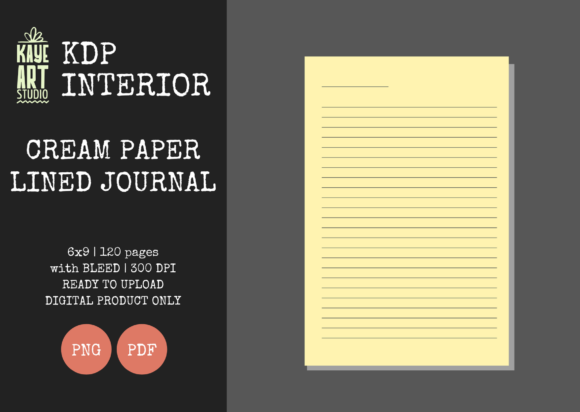
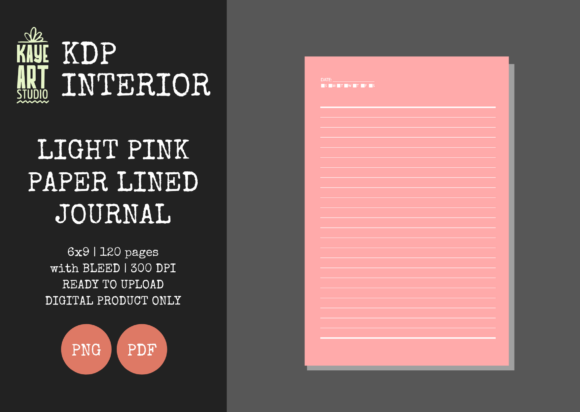
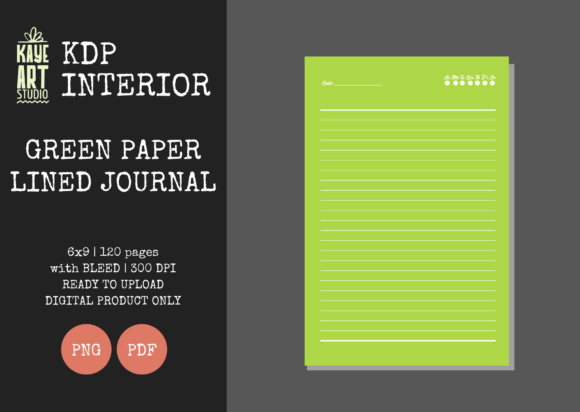
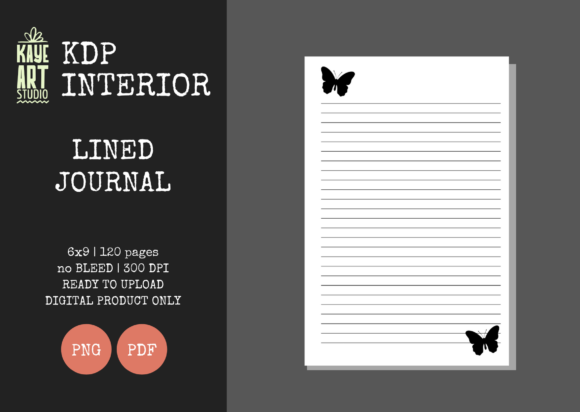
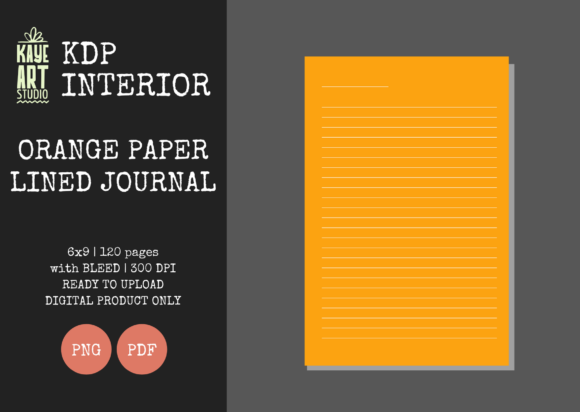
The primary value proposition of any KDP interior is its adherence to Amazon’s stringent printing guidelines. This template is engineered with specific parameters that reduce the risk of manuscript rejection or printing errors. The trim size is set to the industry-standard 6×9 inches, which remains the most versatile format for trade paperbacks, balancing portability with adequate writing space.
Critical to the successful use of this asset is the bleed configuration. The file includes necessary bleed margins, meaning the content extends beyond the final trim line. Publishers must explicitly select the "BLEED" option during the KDP upload process. Failing to toggle this setting will result in white borders appearing where the orange background should extend to the edge, or worse, content being cropped unintentionally. The 120-page count provides a substantial spine width for better shelf presence while keeping printing costs low enough to maintain healthy royalty margins.
Resolution is another non-negotiable factor. At 300 DPI, the KDP Orange Paper Lined Journal 2 ensures that the lined texture and background color remain crisp in print. Lower resolution files often appear pixelated or muddy when printed on standard 55# or 60# cream or white paper stock. The availability of both PNG and PDF formats offers flexibility; however, for multi-page interiors, the PDF format is generally superior for maintaining layout integrity and reducing file size without sacrificing quality.
File Integrity and Workflow Efficiency
Professional publishers understand that time spent fixing formatting errors is time lost from marketing and keyword research. This interior has been tested specifically for KDP compatibility, serving as a verified baseline. For freelancers and agencies managing multiple accounts, using pre-validated assets like this reduces the quality assurance burden. Instead of measuring margins manually or guessing at safe zones, you can proceed directly to cover creation and metadata optimization.
Aesthetic Differentiation in a Saturated Market
The low-content journal market is undeniably competitive. Standard black-and-white lined notebooks face immense saturation. The KDP Orange Paper Lined Journal 2 offers a strategic pivot through color psychology and visual distinction. Orange is frequently associated with creativity, energy, and warmth, making it a suitable thematic choice for specific sub-niches that generic white journals cannot effectively target.
- Creative Writing and Brainstorming: The warm tone can reduce eye strain compared to stark white paper and psychologically prime users for ideation.
- Educational Materials: Brightly colored interiors are often preferred for student planners, spelling practice books, or language learning journals where visual engagement aids retention.
- Mental Health and Gratitude: Warm colors support the therapeutic intent of gratitude journaling or mood tracking, distinguishing the product from clinical or academic stationery.
- Seasonal and Niche Specificity: Ideal for autumn-themed releases, Halloween adjacent products (without being overt), or brands utilizing warm color palettes.
However, differentiation relies on execution. The orange background alone does not guarantee sales. It must be paired with a cover design that complements rather than clashes with the interior. Publishers should view this template as one component of a cohesive product identity. The interior sets an expectation of quality and theme that the cover must fulfill.
Strategic Integration for Publishers and Creators
Who benefits most from this specific asset? It is particularly valuable for publishers who have already established a workflow but need to diversify their inventory without increasing design overhead. If you are a blogger creating branded merchandise, an educator selling supplemental resources, or a marketer building a lead magnet funnel, this interior provides a professional-grade base that looks custom-designed.
For serious hobbyists transitioning into commercial publishing, the learning curve regarding bleed and margins can be steep. Utilizing a tested template like KDP Orange Paper Lined Journal 2 serves as both a production tool and an educational reference. By examining a correctly formatted file, new publishers can reverse-engineer best practices for future original designs.
Limitations and Practical Considerations
Objective evaluation requires acknowledging constraints. This listing is for the interior only. Success depends entirely on your ability to create a compelling cover and write effective metadata. A high-quality interior cannot compensate for poor keyword targeting or amateur cover design. Furthermore, colored interiors can sometimes reveal printing inconsistencies more readily than black-and-white pages. While 300 DPI mitigates this, publishers should always order a physical proof before launching to verify color consistency across the 120 pages.
Additionally, the 6×9 size, while popular, is not universal. If your audience requires A4 or 8.5×11 formats for workbook-style activities, this template will not suffice. It is strictly a journaling format. Publishers must align the trim size with user intent; a 6×9 journal is portable and personal, whereas larger formats serve different functional purposes.
Maximizing Long-Term Value and Usability
To extract maximum value from KDP Orange Paper Lined Journal 2, treat it as a scalable asset rather than a single product. The consistent styling allows for series creation. You could develop a suite of warm-toned journals for different purposes—gratitude, dream logging, project planning—all sharing the same interior DNA but differentiated by cover art and title. This builds brand recognition and encourages repeat purchases from customers who appreciate the specific paper feel and aesthetic.
Reliability in digital assets also means predictable performance. Because the file structure is standardized, you can batch-process uploads or use automation tools more effectively. For agencies or virtual assistants managing KDP accounts, having a library of verified interiors reduces communication friction and error rates. The "ready for upload" status is not just a convenience feature; it is a risk management tool.
Evaluating Return on Investment
When assessing whether this asset fits your business, consider the opportunity cost of designing from scratch versus licensing or purchasing a pre-made solution. If your hourly rate as a publisher exceeds the cost of the asset, and if the asset saves several hours of formatting and testing, the investment is justified. However, if you possess advanced InDesign skills and have proprietary templates that outperform generic options, the marginal utility may be lower.
Ultimately, the KDP Orange Paper Lined Journal 2 occupies a useful middle ground in the publishing ecosystem. It is sufficiently specialized to offer market differentiation yet standardized enough to ensure production safety. For professionals seeking to expand their low-content portfolio with reduced technical risk, it represents a pragmatic solution. Success will still depend on market research, cover design excellence, and strategic positioning, but the foundation provided by this interior removes one significant variable from the complex equation of self-publishing.
Publishers should approach this resource with clear objectives. Define the target audience, validate the niche demand for colored interiors, and ensure your cover design capabilities match the interior's quality. When used as part of a deliberate publishing strategy rather than a speculative upload, this template demonstrates solid utility for the modern KDP entrepreneur. Remember to always verify your specific project requirements against the template specs, particularly regarding bleed settings, to maintain professional standards and customer satisfaction.