Evaluating KDP Lined Journal 3 for Efficient Low-Content Publishing
For publishers and creators operating within the Amazon KDP ecosystem, the balance between production speed and product quality is often the defining factor in long-term profitability. KDP Lined Journal 3 represents a specific tier of interior assets designed to address this exact operational bottleneck. Unlike generic templates found on free resource sites, this asset is engineered with the precise technical specifications required for seamless platform acceptance. It serves as a foundational element for no-content and low-content publishing businesses that prioritize reliability over novelty. The value proposition here is not merely a set of lines on a page, but a pre-validated file structure that eliminates the most common points of failure during the upload and proofing stages.
Technical Specifications and Platform Compliance
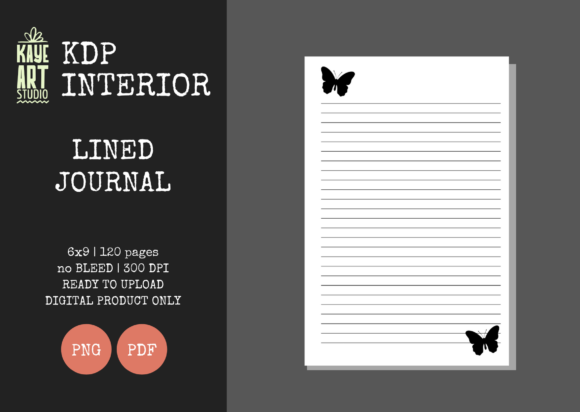
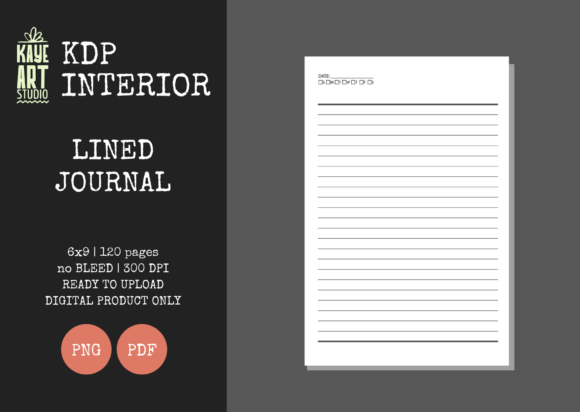
The primary utility of KDP Lined Journal 3 lies in its adherence to strict manufacturing standards. Many creators, particularly those new to print-on-demand, face repeated rejections or poor print results due to incorrect margin settings or resolution issues. This interior removes that variable entirely through three critical technical features:
- 6x9 Inch Trim Size: This is arguably the most versatile dimension in the journal market. It strikes an optimal balance between portability and writing surface area, making it suitable for everything from daily gratitude logs to professional meeting notes. By standardizing on this size, publishers can create cover templates that are reusable across multiple niche projects.
- No Bleed Configuration: Selecting a no-bleed interior significantly reduces formatting complexity. The content is contained safely within the margins, ensuring that no text or lines are trimmed off during the binding process. This setting is ideal for lined journals where the functional elements should remain centered and uniform, providing a clean aesthetic without the risk of edge-to-edge printing errors.
- 300 DPI Resolution: Print clarity is non-negotiable for customer satisfaction. While digital screens may display lower-resolution images adequately, physical printing demands high fidelity. The 300 DPI standard ensures that lines appear crisp and solid rather than pixelated or gray. This level of detail contributes directly to perceived value and reduces the likelihood of negative reviews citing poor print quality.
File Versatility and Workflow Integration
Professional publishing workflows require assets that integrate smoothly into existing systems. KDP Lined Journal 3 provides files in both PNG and PDF formats, offering flexibility depending on the creator's preferred software stack. The PDF format is generally the industry standard for direct upload to KDP, preserving vector-like sharpness and embedding necessary metadata. However, the inclusion of high-resolution PNG files adds a layer of utility for designers who wish to modify the interior using raster-based editors like Photoshop or Affinity Photo before final assembly.
This dual-format approach supports different business models. Publishers who operate on a high-volume strategy can use the ready-made PDF for immediate upload, minimizing time-to-market. Conversely, creators focusing on branded or semi-custom journals can utilize the PNG source to add headers, footers, logos, or niche-specific prompts without having to redraw the base lines from scratch. The 120-page count further enhances this flexibility; it is a substantial enough length to justify a competitive price point while keeping printing costs low enough to maintain healthy royalty margins.
Strategic Value for No-Content Businesses
In the context of a no-content business model, the interior is a commodity, but consistency is a brand asset. Using KDP Lined Journal 3 allows entrepreneurs to establish a baseline of quality across their catalog. When customers purchase multiple journals from the same publisher, they expect a uniform experience regarding paper feel, line spacing, and margin width. Relying on disparate free templates often leads to inconsistencies that erode brand trust.
Furthermore, the "tested on KDP" designation carries significant weight. Amazon’s automated review systems frequently flag manuscripts for bleed errors, margin violations, or resolution warnings. Each rejection cycle delays launch and consumes mental energy. By utilizing an interior that has already passed these validation checks, publishers effectively insure themselves against technical downtime. This reliability transforms the interior from a simple design file into an operational safeguard, allowing the creator to focus resources on keyword research, cover design, and marketing rather than troubleshooting file specifications.
Audience Fit and Practical Application
While this asset is broadly applicable, it offers distinct advantages to specific segments of the publishing community. Understanding who benefits most helps in determining whether it aligns with your current project goals.
For Freelancers and Agencies
Service providers creating journals for clients need deliverables that are error-free and professional. KDP Lined Journal 3 serves as a reliable white-label foundation. Because the technical specs are locked in, freelancers can guarantee their clients that the interior will pass KDP review, reducing revision rounds and protecting client relationships.
For Educators and Coaches
Professionals creating supplementary materials for courses or workshops often need simple, distraction-free tools. A standard lined journal is frequently the best format for student reflection or coaching exercises. The clean, no-bleed layout ensures that the focus remains on the user's handwriting and thoughts, rather than ornate design elements that might clutter the cognitive space.
For Volume Publishers
Creators managing large portfolios benefit from the standardization this interior provides. When testing multiple niches, keeping the interior constant isolates the cover and keywords as the variables being tested. If a book sells well, you know it is due to the external packaging; if it fails, you haven't wasted time customizing an interior that wasn't the issue. This scientific approach to niche validation is only possible with consistent assets like KDP Lined Journal 3.
Realistic Limitations and Considerations
Despite its strengths, it is important to approach this asset with realistic expectations. As an interior-only listing, it requires the user to possess or acquire cover design skills separately. The interior provides the structure, but the cover provides the sale. Publishers cannot rely on this file alone to generate revenue; it must be paired with market-relevant cover art and metadata.
Additionally, the standardized nature of this interior means it lacks built-in differentiation. In highly saturated niches, a plain lined journal may struggle to compete against interiors that offer unique value propositions like habit trackers, dot grids, or specialized prompts. This asset performs best when the differentiation strategy relies entirely on the cover design and niche targeting, or when serving audiences that specifically prefer traditional, unadorned writing spaces. It is also worth noting that because this is a static file, any customization requires external editing software. Users without access to or proficiency in PDF/PNG manipulation tools will be limited to using the interior exactly as provided.
Assessing Long-Term Viability
The decision to incorporate KDP Lined Journal 3 into a publishing workflow should be based on efficiency metrics and quality assurance needs. For creators who have previously struggled with formatting errors or inconsistent print results, this asset offers an immediate corrective solution. The 120-page length at 6x9 inches remains a perennial bestseller configuration because it fits physical retail shelves, backpacks, and desk drawers equally well. This physical ergonomics translates to sustained demand regardless of seasonal trends.
Ultimately, the effectiveness of this interior depends on how it is deployed. It is a tool for stabilization and scaling rather than radical innovation. For professionals, marketers, and serious hobbyists building a sustainable KDP business, having a verified, high-quality baseline interior reduces friction and creates a dependable foundation for growth. By handling the technical heavy lifting, KDP Lined Journal 3 allows publishers to redirect their creative energy toward the aspects of the business that actually drive discovery and sales, making it a pragmatic investment for those treating low-content publishing as a serious enterprise rather than a casual experiment.