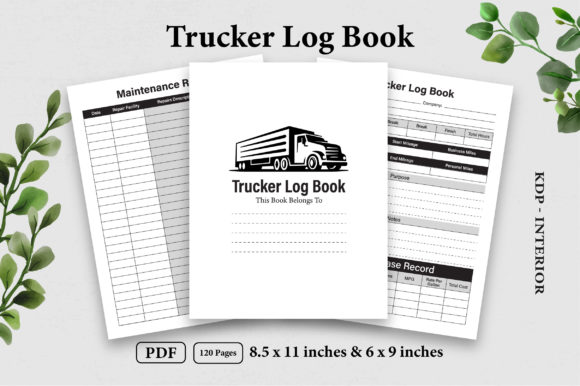
Optimizing Compliance and Efficiency with a Professional Trucker Log Book
Maintaining accurate records is the backbone of commercial transportation, serving as both a legal shield and an operational asset. For independent contractors, fleet managers, and self-publishers creating resources for the logistics industry, the quality of documentation tools directly impacts safety and regulatory adherence. A well-structured Trucker Log Book is more than a simple notebook; it is a critical instrument for Hours of Service (HOS) compliance, vehicle maintenance tracking, and business accounting. Understanding the technical specifications and practical applications of these logs ensures that whether you are driving the rig or designing the resource, the final product meets the rigorous demands of the road and regulatory bodies like the FMCSA.
Technical Specifications for Print-Ready KDP Interiors
For creators and business owners utilizing Amazon KDP to supply the transportation market, the technical integrity of the file is paramount. A logbook that fails during printing or proves unusable on the dashboard of a truck is a liability. High-quality interiors must adhere to strict production standards to ensure durability and legibility in high-vibration, variable-lighting environments.
Resolution and Image Clarity
The industry standard for professional print materials is 300 DPI (dots per inch). While digital screens may display lower-resolution images adequately, physical printing requires this higher density to prevent pixelation or blurring. In a Trucker Log Book, where drivers must write in small grid boxes and read fine print regarding regulations, clarity is non-negotiable. A 300 DPI resolution ensures that all lines, text, and instructional elements remain crisp, reducing eye strain during nighttime logging and ensuring that handwritten entries fit precisely within designated fields.
Bleed Settings and Trim Safety
Professional publishing requires understanding bleed mechanics. An interior designed "with bleed" extends graphics, lines, or background elements beyond the final trim edge of the page. This is essential for logbooks because binding shifts can occur during mass production. Without adequate bleed, a trimming error could result in white margins appearing on the outer edge or, worse, critical logging columns being sliced off entirely. Files prepared with proper bleed settings guarantee that the functional area of the log remains intact regardless of minor manufacturing variances, providing a consistent user experience across every copy printed.
Format Versatility and Page Count
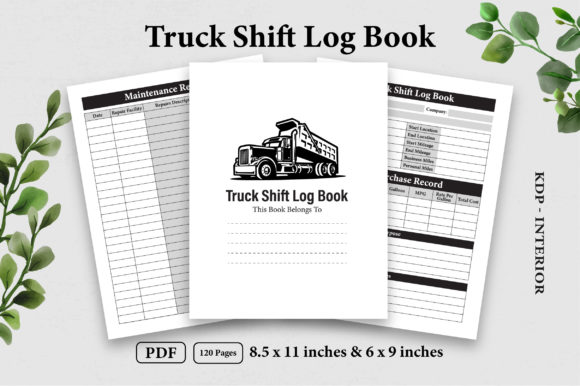
Versatility in sizing addresses different operational needs. Offering formats in both 6x9 inches and 8.5x11 inches caters to distinct user preferences. The 6x9 size is optimized for portability, fitting easily into glove compartments, shirt pockets, or clipboards used during inspections. Conversely, the 8.5x11 format provides expansive writing space, ideal for detailed trip notes, expense tracking, or drivers who prefer larger grids for readability. A standard 120-page count strikes a balance between longevity and weight, typically covering three to four months of daily logs without becoming unwieldy. Furthermore, including a dedicated Intro Page adds immediate value by orienting the user, providing space for owner identification, or outlining specific record-keeping instructions before the daily logs begin.
Operational Utility and Regulatory Compliance
The primary function of any Trucker Log Book is to facilitate compliance with federal transportation regulations. While Electronic Logging Devices (ELDs) are mandatory for many carriers, paper logs remain relevant for specific exemptions, backup requirements, and short-haul operations. Moreover, many professionals maintain parallel paper records as a redundancy measure against technology failures.
Hours of Service Adherence
Accurate HOS tracking prevents violations that can lead to fines, out-of-service orders, or license suspensions. A properly formatted log provides clear sections for recording driving time, on-duty not driving, sleeper berth, and off-duty status. The layout must align with current regulatory graphs to ensure inspectors can quickly verify compliance. When designing or selecting a log, one must verify that the grid proportions match official standards, as non-compliant formatting can render the record invalid during an audit. The inclusion of an intro page often serves as a quick reference guide for these rules, helping newer drivers avoid common calculation errors.
Vehicle Inspection and Maintenance Records
Beyond driver hours, comprehensive logs often integrate sections for pre-trip and post-trip inspections. Documenting vehicle condition protects drivers from being held responsible for pre-existing mechanical issues and helps fleet managers schedule preventative maintenance. High-quality interiors provide structured checklists rather than blank spaces, prompting users to inspect critical systems like brakes, tires, lights, and coupling devices. This systematic approach reduces the likelihood of overlooking safety defects and creates a verifiable paper trail demonstrating due diligence in vehicle upkeep.
Financial Tracking and Business Management
For owner-operators, the logbook doubles as a financial ledger. Tracking mileage, fuel purchases, tolls, and meal expenses is essential for tax deductions and profitability analysis. Dedicated pages or columns for this data transform a compliance tool into a business management system. The 120-page capacity allows for sustained financial tracking over a fiscal quarter, making it easier to aggregate data for quarterly tax estimates. Clear separation between regulatory logs and financial records within the same volume streamlines organization, reducing the number of separate documents a driver must manage.
Strategic Considerations for Publishers and Designers
Creating a successful Trucker Log Book for KDP requires more than just meeting technical specs; it demands an understanding of the end-user's workflow. The market is saturated with generic templates, so differentiation comes from thoughtful design and verified usability.
User-Centric Layout Design
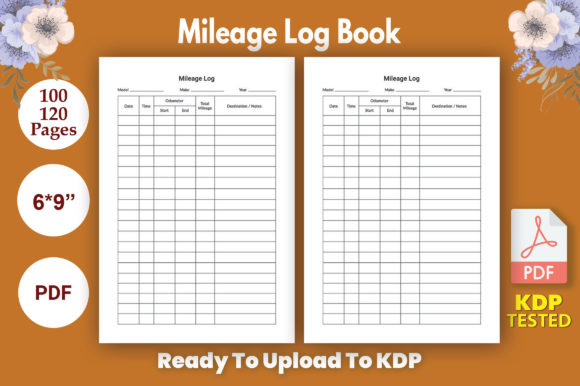
Ergonomics play a significant role in adoption. Drivers often complete logs in low-light conditions or while fatigued. High-contrast designs with sufficient white space reduce cognitive load. Lines should be dark enough to see clearly but light enough not to interfere with handwriting. Font choices must be sans-serif and highly legible at small point sizes. Testing the interior on physical prints before uploading is crucial; what looks acceptable on a monitor may be too faint or too crowded on paper. The "KDP Tested" designation implies that the creator has validated the file against Amazon’s automated checks and ideally performed manual verification to ensure the bleed, margins, and content alignment survive the printing process.
Niche Targeting and Specialization
Broad appeal is valuable, but specialized logs often perform better. Consider creating variants tailored to specific hauling types. A logbook for hazmat transport might include additional checklist items for placarding and containment integrity. A version for agricultural haulers could emphasize seasonal exemption tracking. Local delivery drivers might benefit from a simplified format focused on stop counts and customer signatures rather than long-haul HOS grids. By leveraging the flexibility of KDP, publishers can address underserved niches within the trucking community, providing solutions that generic competitors overlook.
Quality Assurance and File Integrity
The phrase "Ready To Upload PDF" signals convenience, but it also carries responsibility. Creators must ensure their source files are flattened and embedded correctly to prevent font substitution or layer shifting. Metadata and file naming conventions should be professional. More importantly, the content itself must be fact-checked against current DOT regulations. Outdated logging graphs or incorrect inspection criteria can harm users and damage a publisher’s reputation. Regular updates to the interior files ensure continued relevance as regulations evolve. Providing a high-quality, 300 DPI, bleed-ready file demonstrates respect for the professional standards of the trucking industry and builds trust with buyers who rely on these tools for their livelihood.
Integrating Digital and Analog Workflows
Modern logistics increasingly blends digital efficiency with analog reliability. Even in an ELD-mandated environment, the physical Trucker Log Book retains strategic importance. It serves as a tangible backup when electronic systems malfunction, a training aid for new drivers learning HOS concepts, and a personal organizer free from screen fatigue. For educators and trainers, physical logs provide tactile learning experiences that software cannot replicate. For researchers studying driver behavior or fatigue patterns, anonymized paper logs offer raw data unfiltered by algorithmic correction.
The synergy between high-quality print specifications and practical utility defines the value of these resources. Whether produced for personal use, fleet distribution, or commercial sale, adhering to standards like 300 DPI resolution, proper bleed configuration, and appropriate sizing ensures the tool performs under real-world conditions. The addition of introductory materials and comprehensive page counts further enhances functionality, transforming a simple record-keeping booklet into an essential component of professional transportation operations. Ultimately, the effectiveness of a logbook is measured by its ability to seamlessly integrate into the driver’s routine, supporting safety, compliance, and business success without adding friction to an already demanding profession.