KDP Lined Journal 5 with a Flower: Interior Design and Publishing Specifications
In the expansive world of Amazon KDP low-content publishing, success often hinges on the subtle balance between aesthetic appeal and technical precision. While covers capture attention, the interior dictates the user experience and ultimately determines whether a customer leaves a positive review or returns the product. The KDP Lined Journal 5 with a Flower represents a specific niche within this ecosystem, offering a minimalist yet elegant solution for creators looking to publish high-quality stationery. This resource focuses specifically on the interior architecture, providing a tested, ready-to-upload foundation that eliminates common formatting errors associated with self-publishing.
Understanding the nuances of this specific interior template is essential for both new publishers and seasoned professionals. It is not merely a collection of lines; it is a calibrated document designed to meet strict printing standards while providing a pleasant writing experience. By exploring the features, applications, and technical considerations of the KDP Interiors Lined Journal with a flower, publishers can make informed decisions that streamline their workflow and enhance their catalog's overall quality.
The Anatomy of a Minimalist Floral Interior
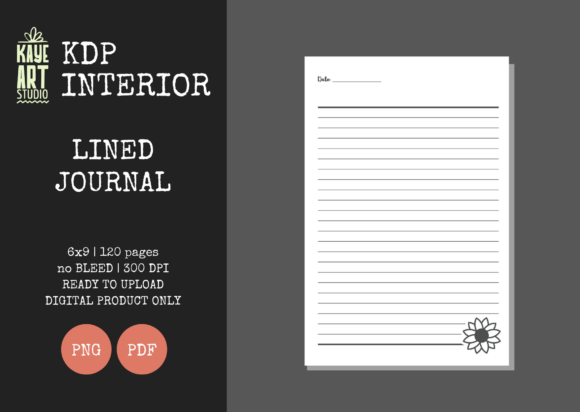
Simplicity in design is frequently mistaken for ease of creation. However, creating a clean, professional interior requires meticulous attention to detail. The KDP Lined Journal 5 with a Flower distinguishes itself through its restrained visual language. Rather than overwhelming the user with heavy graphics or intrusive watermarks, this template utilizes a small flower graphic as a subtle anchor point. This design choice serves a dual purpose: it adds a touch of organic warmth to the page without compromising the functional utility of the lined space.
The placement and opacity of the floral element are critical. In this specific configuration, the graphic acts as a gentle header or footer accent rather than a central focal point. This ensures that when users write on the page, the ink does not bleed into the image, nor does the image distract from the primary task of journaling or note-taking. For publishers, this means the interior appeals to a broader demographic, ranging from students and professionals to creative writers who prefer a distraction-free environment. The "less is more" philosophy embedded in this template aligns with current market trends favoring mindfulness and clarity over visual clutter.
Technical Specifications and Print Quality
Beyond aesthetics, the viability of any KDP interior relies entirely on its technical compliance. A beautiful design is useless if it gets rejected during the upload process or prints poorly. The KDP Lined Journal 5 with a Flower is engineered with specific parameters that address these pain points directly.
- Trim Size (6×9 in): This is arguably the most versatile size in the low-content book market. It strikes an ideal balance between portability and writing surface area. A 6x9 journal fits comfortably in standard bags and backpacks, making it practical for daily carry, while still offering enough width for comfortable handwriting margins.
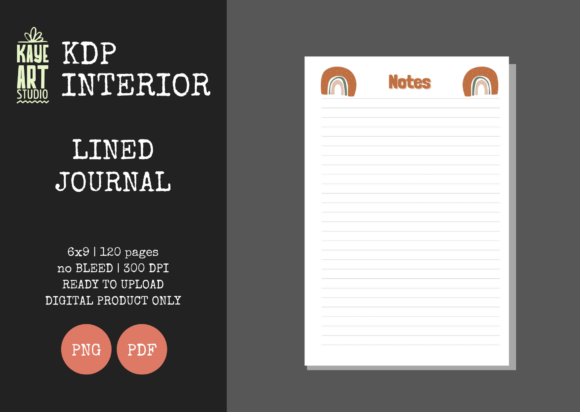
- No Bleed Settings: One of the most common rejection reasons for new publishers is incorrect bleed configuration. This template is set to NO BLEED. This means all content, including the flower graphic and the ruling lines, stays safely within the designated safe zone. Publishers do not need to extend artwork to the edge of the canvas, significantly reducing the risk of trimming errors where vital elements get cut off during production.
- Page Count (120 Pages): At 120 pages, the journal achieves a substantial feel without becoming unwieldy or overly expensive to print. This thickness provides perceived value to the customer while keeping royalty costs manageable. It is sufficient for several months of moderate use, which is the sweet spot for repeat purchases.
- Resolution (300 DPI): Crisp lines are non-negotiable in stationery. Blurry or pixelated lines suggest low quality and lead to negative feedback. This interior is rendered at 300 DPI (Dots Per Inch), ensuring that both the ruling and the floral graphic appear sharp and professional in physical print.
- File Formats (PNG, PDF): Flexibility is key. The inclusion of PDF files ensures direct compatibility with KDP’s upload system, preserving vector-like sharpness. The PNG option allows designers who wish to modify the interior slightly (perhaps changing line color or adding a custom intro page) to do so in image editing software before re-exporting.
Practical Applications and Target Audiences
Versatility is a major strength of the KDP Lined Journal 5 with a Flower. Because the design is gender-neutral and age-agnostic, it can be marketed across multiple niches simply by changing the cover. Understanding who uses these journals helps publishers tailor their metadata and marketing strategies effectively.
Educational and Academic Use
Students and educators often seek notebooks that are functional but also personally expressive. The small flower graphic adds a hint of personality suitable for school settings without being juvenile. For university students, the 6x9 size is perfect for lecture notes, while the 120-page count lasts through a semester. Publishers can target back-to-school seasons or exam preparation periods with covers that complement this academic-friendly interior.
Professional Note-Taking and Meeting Logs
In corporate environments, plain black notebooks can feel sterile, while overly decorative ones may seem unprofessional. This interior bridges that gap. The subtle floral motif provides a sense of calm and organization, which is beneficial for meeting minutes, project planning, or daily to-do lists. Business owners and freelancers often appreciate interiors that feel premium and thoughtful. When paired with a sophisticated, minimalist cover, this interior supports a professional brand identity.
Mindfulness, Gratitude, and Personal Reflection
The wellness industry continues to drive significant sales in the low-content category. Journals intended for gratitude practice, shadow work, or morning pages require interiors that invite reflection rather than demand structure. The organic nature of the flower graphic in the KDP Interiors Lined Journal with a flower subconsciously reinforces themes of growth, nature, and peace. Creators focusing on mental health, yoga, or spiritual niches will find this interior aligns perfectly with their audience's expectations for a soothing writing experience.
Navigating Limitations and Best Practices
While this interior template offers numerous advantages, publishers must approach it with realistic expectations and proper usage guidelines to maximize its potential. Transparency regarding what this product is—and isn't—is crucial for long-term success.
Interior Only Listing: It is imperative to understand that this listing provides the interior files only. You cannot upload this product as-is and expect a complete book. You must create or commission your own cover. This separation of assets allows for greater creative freedom but requires additional effort. Publishers should ensure they have a cover design strategy in place before purchasing. Using generic AI-generated covers without checking dimensions against this specific no-bleed interior can result in mismatched spines or trim issues.
Design Customization Boundaries: While PNG files allow for editing, users should be cautious about altering the core layout. Moving lines too close to the gutter (the inner margin where pages bind) can make the journal difficult to write in. Similarly, increasing the opacity of the flower graphic might cause show-through on thinner paper stocks. The template has been tested for optimal performance; significant deviations should be proofed via KDP’s previewer tool before final publication.
Market Saturation Considerations: Lined journals are a competitive category. Simply using the KDP Lined Journal 5 with a Flower does not guarantee sales. Success depends on how well you differentiate your product through cover design, keyword research, and niche targeting. Think of this interior as a high-quality canvas; the value comes from how you frame it. Analyze best-sellers in the floral journal niche to identify gaps—perhaps there is demand for specific flower types (wildflowers vs. roses) or specific color palettes that this neutral interior can support.
Evaluating Suitability for Your Publishing Goals
Before integrating this template into your portfolio, conduct a brief suitability assessment. Ask yourself the following questions to ensure alignment with your business objectives:
- Does my cover design match the interior tone? A grunge-style cover might clash with a delicate floral interior, leading to customer disappointment. Ensure visual cohesion.
- Is the 6x9 trim size appropriate for my target niche? While versatile, some niches (like travel journals) might prefer smaller sizes, while art journals might need larger formats. Validate size preferences for your specific audience.
- Have I verified the file compatibility? Even though files are tested, always run them through the KDP Previewer. Software updates or personal computer settings can occasionally affect rendering.
- Am I prepared to handle the "No Bleed" constraint? Ensure your cover designer knows the interior is no-bleed so they don't create full-bleed cover art that extends incorrectly into the spine or back cover areas.
Ultimately, the KDP Lined Journal 5 with a Flower serves as a reliable, professionally vetted building block for low-content publishers. By combining technical accuracy with timeless design, it removes the friction from the publishing process, allowing creators to focus on what matters most: connecting with readers through meaningful, well-crafted products. Whether you are expanding an existing stationery line or launching your first KDP venture, understanding and leveraging the specific characteristics of this interior will position you for sustainable success in a detail-oriented marketplace.