Evaluating KDP Lined Journal 7 with a Bunny for Low-Content Publishing
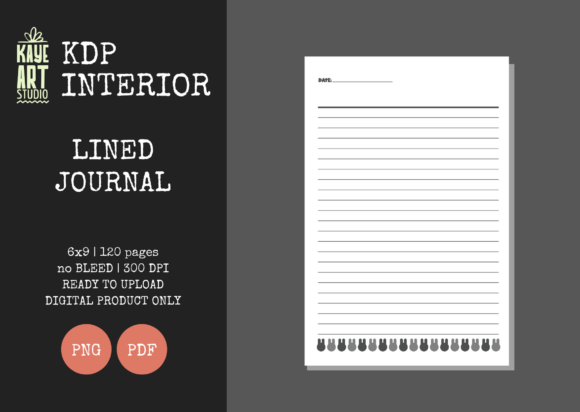
Selecting the right interior template is a foundational step in Amazon KDP publishing. For creators focusing on niche journals, KDP Lined Journal 7 with a Bunny represents a specific asset designed to streamline the production process. This resource provides a pre-formatted interior featuring simple lined pages accented with bunny illustrations. Understanding the technical specifications, market positioning, and practical limitations of this file is essential for publishers determining whether it aligns with their current catalog strategy.
Defining the Asset and Technical Specifications
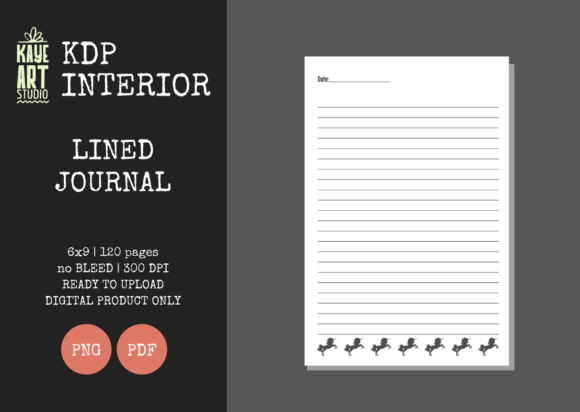
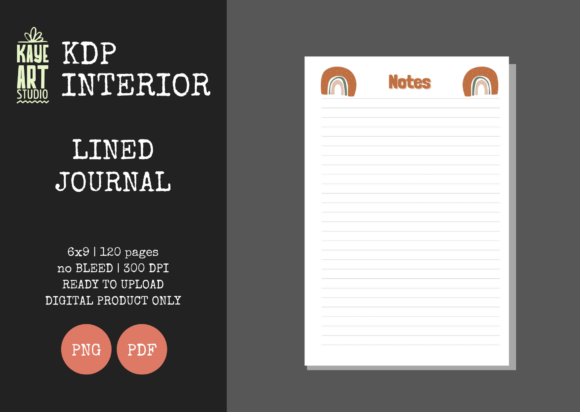
KDP Lined Journal 7 with a Bunny is a digital interior file intended for print-on-demand paperback books. It is not a physical product but a downloadable template that serves as the manuscript block for KDP uploads. The design philosophy centers on minimalism and usability rather than complex artwork. Key technical parameters define its compatibility and quality standards:
- Trim Size: 6×9 inches, the industry standard for trade paperbacks and journals.
- Page Count: 120 pages, offering a balanced thickness that feels substantial without significantly increasing printing costs.
- Bleed Settings: No Bleed. All content, including lines and illustrations, remains within the safe margin zone.
- Resolution: 300 DPI, ensuring crisp printing quality for both text lines and graphical elements.
- File Formats: Available in PDF and PNG to accommodate different workflow preferences.
A critical distinction for potential users is that this listing covers the interior only. Publishers must source or create a separate cover file that matches the 6×9 trim size and 120-page spine width. The files have been tested on KDP, reducing the risk of rejection due to formatting errors, but the responsibility for cover alignment remains with the creator.
Strategic Reasons for Selection
Publishers typically evaluate KDP Lined Journal 7 with a Bunny based on efficiency and niche relevance. In the low-content book market, speed to publication is often a competitive advantage. Creating a 120-page lined journal from scratch requires significant time in layout software like InDesign or Affinity Publisher. Utilizing a pre-tested template eliminates hours of formatting, margin checking, and line spacing adjustments.
Furthermore, the aesthetic choice of a bunny motif targets specific demographics. Unlike generic lined notebooks, this interior appeals to niches such as spring-themed stationery, Easter gifts, rabbit enthusiasts, or children’s writing practice books. The simplicity of the illustration ensures it does not interfere with writing functionality, maintaining the primary utility of a lined journal while adding enough character to differentiate it from saturated generic listings.
Benefits and Practical Advantages
The primary benefit of this specific interior is technical compliance. KDP’s automated review system frequently flags manuscripts for margin violations or low-resolution images. Because KDP Lined Journal 7 with a Bunny has been pre-tested, publishers can upload with greater confidence regarding the interior block. The "No Bleed" setting further simplifies the process; designers do not need to account for image wrap-around or trim shifts, which are common sources of printing errors in illustrated journals.
Additionally, the 300 DPI resolution ensures professional output. Many free or low-cost templates suffer from pixelation when printed, leading to negative customer reviews. High-resolution assets protect brand reputation by ensuring lines are sharp and bunny illustrations are clean. The availability of both PDF and PNG formats also offers flexibility; PDF is generally preferred for direct KDP upload to preserve vector-like quality, while PNG may be useful for creators who wish to composite the pages into other design software before final export.
Tradeoffs and Limitations
While efficient, relying on KDP Lined Journal 7 with a Bunny involves inherent tradeoffs. The most significant is lack of exclusivity. As a commercially available template, other publishers may use the identical interior. This can lead to duplicate content issues or market saturation within specific search terms. Publishers cannot claim copyright over the interior layout itself, only over any unique cover art or supplementary content they add.
The "No Bleed" constraint also limits design expansion. If a creator later decides they want full-page illustrations or border-to-border patterns, this template cannot be modified to support bleed without reformatting the entire document. Additionally, the fixed 120-page count offers no flexibility. Some niches prefer thinner 80-page journals for portability or thicker 200-page volumes for comprehensive logging. Users locked into this specific page count must accept it as a non-negotiable parameter.
Finally, the requirement to create a separate cover introduces a dependency. The interior is ready, but the product cannot go live until a matching cover is finalized. Publishers lacking cover design skills may face a bottleneck, negating some of the time savings gained from using a pre-made interior.
Ideal Use Cases and Audience Fit
This interior is particularly well-suited for publishers operating in seasonal or gift-oriented niches. The bunny theme makes it an excellent candidate for Q1 and Q2 releases targeting Easter baskets, spring cleaning organization, or nature study logs. It is also appropriate for creators building a cohesive brand around cottagecore, woodland animals, or gentle aesthetics where consistent interior styling across multiple titles strengthens brand recognition.
New KDP publishers benefit significantly from this asset as a learning tool. Using a verified template allows beginners to understand proper margin safety zones and file preparation without the frustration of repeated rejections. It serves as a reliable baseline for establishing a publishing workflow before graduating to custom-designed interiors.
When to Consider Alternatives
Despite its utility, KDP Lined Journal 7 with a Bunny is not universally applicable. Publishers aiming for high-ticket premium journals may find the simple lined format insufficient. Premium markets often demand specialized layouts such as dot grids, prompt-based sections, or heavy paper stock considerations that standard lined templates do not address.
Creators focused on evergreen productivity or business niches should likely avoid this interior. The whimsical bunny aesthetic clashes with professional expectations in sectors like finance, project management, or academic research. Similarly, publishers who prioritize long-term asset ownership and uniqueness may prefer investing time in creating proprietary interiors to avoid competing against identical listings.
If a publisher requires extensive customization—such as adding name fields, date headers, or specific motivational quotes on each page—a static template becomes a hindrance rather than a help. In these cases, editable source files or custom design services offer better long-term value despite higher upfront effort.
Making the Final Decision
Evaluating KDP Lined Journal 7 with a Bunny requires balancing convenience against distinctiveness. For publishers needing a compliant, high-quality interior for specific seasonal or aesthetic niches, it offers a practical solution that reduces technical friction. The pre-tested status and standard specifications provide a safe foundation for publication.
However, success depends on how the interior is leveraged. Since the interior is non-exclusive, the cover design and metadata strategy become the primary differentiators. Publishers should view this template as a component of a broader product strategy rather than a standalone solution. By understanding both the capabilities and constraints of this lined journal interior, creators can make informed decisions that support sustainable publishing goals while meeting reader expectations for quality and relevance.