Evaluating KDP Easter Theme Lined Journal 1 for Seasonal Low-Content Publishing
For publishers operating within the Amazon KDP ecosystem, seasonal opportunities require a balance of speed, quality, and market relevance. The KDP Easter Theme Lined Journal 1 represents a specific asset class designed to address these needs directly. Unlike generic lined notebooks that can be uploaded year-round, this interior is engineered specifically for the spring holiday window. It serves as a pre-formatted solution for creators who want to capitalize on Easter traffic without investing dozens of hours in custom illustration or layout design. Understanding where this specific asset fits into a broader publishing strategy requires looking beyond the festive aesthetics and evaluating its technical specifications, market positioning, and practical limitations compared to alternative low-content approaches.
Technical Specifications and Upload Considerations
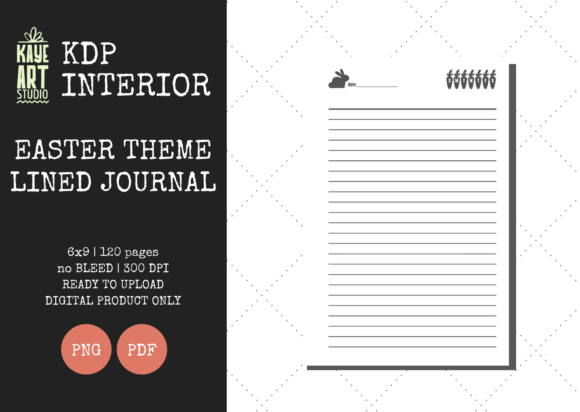
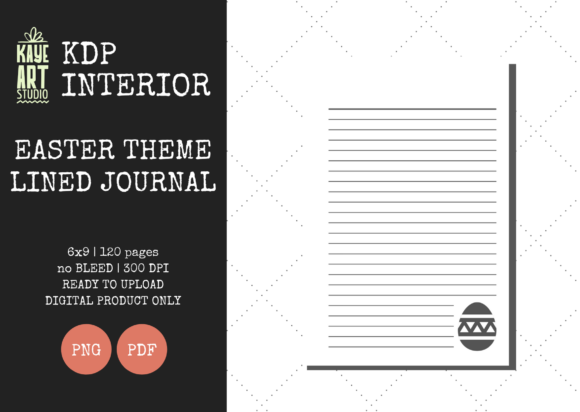
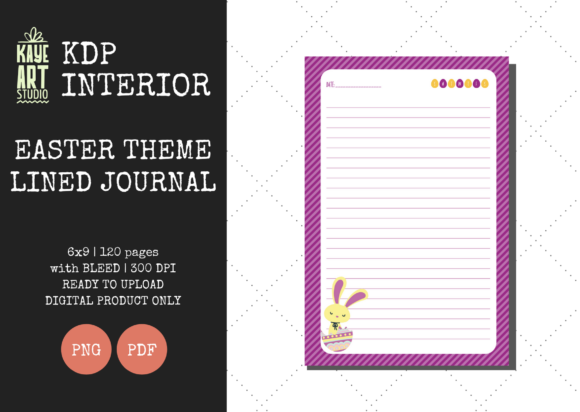
Before assessing market fit, it is necessary to understand the physical parameters of KDP Easter Theme Lined Journal 1, as these dictate both the user experience and the upload process. This interior is formatted at a standard 6×9 inch trim size, which remains the most popular dimension for personal journals due to its portability and shelf presence. The file includes 120 pages at 300 DPI resolution, ensuring that any thematic elements or line work print crisply without pixelation—a common failure point with lower-quality seasonal assets.
A critical distinction for this product is the bleed setting. The files are configured with bleed, meaning the design extends to the very edge of the paper. When uploading to KDP, publishers must explicitly select the "Bleed" option during the setup phase. Failing to do so will result in formatting errors or unwanted white margins that ruin the professional appearance of the book. While the listing provides both PNG and PDF formats, the PDF is generally the industry standard for KDP interiors to preserve vector sharpness and prevent compression artifacts. Publishers should note that this resource covers the interior only; creating a complementary cover that matches the tone and color palette of the interior remains a separate, necessary step.
Comparing Thematic Interiors Versus Generic Alternatives
The primary decision factor for many publishers is whether to use a themed interior like KDP Easter Theme Lined Journal 1 or stick to standard college-ruled or dot-grid layouts. Generic interiors offer evergreen potential and can be sold continuously without risk of obsolescence. However, they face immense saturation. A standard lined journal competes with millions of identical listings, making organic discovery difficult without significant advertising spend or an existing audience.
In contrast, themed interiors introduce a layer of specificity that aids in search relevance. When a customer searches for "Easter journal for kids" or "spring gratitude diary," a generic lined notebook rarely satisfies that intent. KDP Easter Theme Lined Journal 1 bridges this gap by providing functional writing space wrapped in seasonal context. This hybrid approach often yields higher conversion rates during peak seasons because the product feels tailored to the buyer's immediate need rather than being a generic commodity. The tradeoff is lifespan; while a generic journal sells slowly over years, a themed journal has a concentrated sales window of four to six weeks. Publishers must weigh the potential for high-velocity seasonal sales against the long-term stability of evergreen content.
Assessing Design Complexity and Market Saturation
Not all seasonal interiors are created equal. Within the Easter niche, products range from simple bordered lines to complex activity books featuring mazes, coloring pages, and word searches. KDP Easter Theme Lined Journal 1 occupies a middle ground: it is primarily a writing tool with thematic decoration rather than an activity book. This distinction is vital for targeting the right demographic.
Activity-heavy books often target children aged 4–8 and require flawless puzzle solutions and age-appropriate complexity. Lined journals with thematic elements, however, appeal to a broader demographic, including teens, adults, and seniors who want a festive place for reflection, sermon notes, or spring planning without the pressure of completing puzzles. If your research indicates that the "Easter activity" sub-niche is oversaturated with low-quality puzzle books, pivoting to a cleaner, writing-focused aesthetic like KDP Easter Theme Lined Journal 1 can be a strategic differentiator. It caters to buyers seeking utility alongside festivity, a segment that is often underserved by novelty-focused competitors.
Strategic Fit: When This Asset Makes Sense
Determining whether KDP Easter Theme Lined Journal 1 is the right addition to your catalog depends on your current business model and resource availability. This asset is particularly well-suited for publishers who:
- Have limited design time: Creating original, high-DPI Easter illustrations that tile seamlessly across 120 pages is time-consuming. Using a tested, ready-made interior allows you to focus efforts on cover design and keyword optimization, which are often more significant drivers of click-through rate.
- Are testing the seasonal market: If you have never published for Easter before, this low-risk asset allows you to validate demand without commissioning custom work. You can gauge customer response to the theme before investing in more elaborate projects for next year.
- Need to diversify an evergreen portfolio: Publishers with large catalogs of plain journals can use themed interiors to capture seasonal traffic spikes, smoothing out revenue volatility throughout the year.
Conversely, this specific interior may not be the best choice if you are building a cohesive brand series. Because the interior art is pre-made, it cannot be easily modified to match a proprietary character or unique branding style guide. If your business relies on recognizable intellectual property or a distinct artistic voice, using stock-themed interiors might dilute your brand identity. In such cases, hiring a designer to create custom interiors that align with your brand would be a more appropriate, albeit more expensive, path.
Evaluating Quality and Customer Expectations
In the low-content space, customer reviews frequently cite poor print quality or misleading descriptions as pain points. Since KDP Easter Theme Lined Journal 1 is provided at 300 DPI and has been tested for KDP compatibility, it mitigates the technical risks associated with third-party assets. However, publishers must still manage expectations through accurate metadata and cover design.
A common mistake is pairing a cute, pastel interior with a cover that looks overly mature or, conversely, too juvenile. The cover must accurately reflect the interior’s vibe to avoid returns. Additionally, because this is a lined journal, customers expect adequate writing space. Publishers should verify that the thematic elements do not intrude too heavily on the usable line area. If the decorations reduce the functional writing space significantly, it may lead to negative feedback from users who purchased the book for journaling rather than decoration. Reviewing the preview file thoroughly before publication ensures the balance between aesthetics and utility meets market standards.
Maximizing Value Through Complementary Assets
While KDP Easter Theme Lined Journal 1 is a standalone interior, its commercial performance often depends on how it is packaged and presented. Since the listing specifies that covers are not included, the publisher bears full responsibility for creating a wrapper that converts browsers into buyers. Effective covers for this type of interior typically feature matte finishes and soft, spring-inspired color palettes that signal the book’s gentle, reflective nature.
Furthermore, consider how this journal fits into a larger seasonal bundle or series. While you cannot alter the interior files, you can create multiple cover variations targeting different micro-niches using the same interior. One cover might target "Easter Sermon Notes" for churchgoers, while another targets "Spring Garden Planning" for horticulture enthusiasts. This strategy maximizes the ROI of a single interior asset by exposing it to multiple search intents. However, publishers should ensure each variation offers genuine value to the specific sub-audience rather than simply spamming keywords. Authenticity in positioning remains key to sustainable success in the KDP marketplace.
Making an Informed Sourcing Decision
Ultimately, KDP Easter Theme Lined Journal 1 is a functional tool for efficient seasonal publishing. It offers a reliable, technically sound foundation for capturing Easter-related search traffic without the overhead of custom development. Its strengths lie in its convenience, proper formatting, and broad appeal as a writing-focused product. Its limitations include lack of customization and a finite sales window.
Publishers should view this asset as one component of a diversified strategy rather than a standalone solution. By understanding its technical requirements, comparing it honestly against generic and activity-based alternatives, and aligning it with appropriate cover designs, creators can make informed decisions that support both short-term seasonal gains and long-term business health. Whether this specific interior is the right choice depends entirely on your current catalog gaps, design capabilities, and willingness to engage with the cyclical nature of holiday publishing.