Mileage Fuel Log Book: KDP Interior Design Guide
Creating a successful low-content book on Amazon KDP requires more than just uploading a generic PDF; it demands an understanding of user experience and print specifications. The Mileage Fuel Log Book interior is designed specifically to bridge the gap between functional utility and professional publishing standards. For self-publishers, designers, and small business owners looking to expand their catalog, this template offers a pre-validated foundation that eliminates common formatting errors. Rather than spending hours adjusting margins or worrying about gutter bleed, creators can focus on niche research, keyword optimization, and cover design. This 120-page layout serves as a robust backbone for automotive tracking journals, fleet management logs, and personal vehicle maintenance records.
Visual Characteristics and Functional Layout
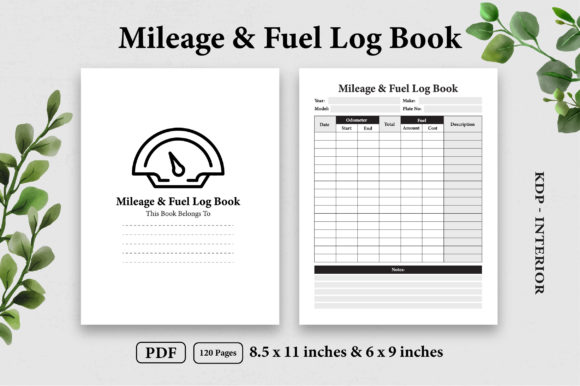
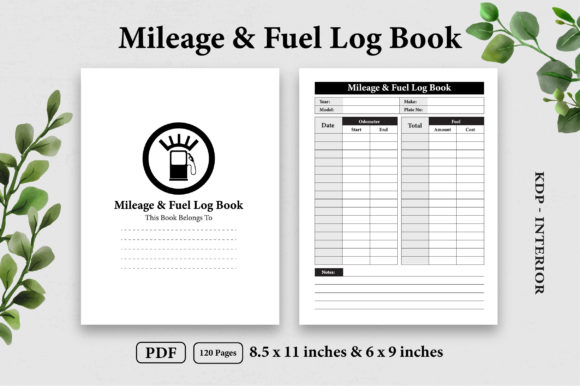
The personality of a logbook lies in its clarity. Unlike a creative journal or a planner that might benefit from ornate script fonts or decorative elements, a mileage tracker demands strict modern typography and utilitarian structure. This interior utilizes a clean sans serif font family to ensure maximum legibility in varying lighting conditions, such as inside a car glove compartment or under direct sunlight. The visual hierarchy is established through bold headers and distinct separation lines, guiding the user’s eye naturally across data entry fields without cognitive friction.
From an editorial design perspective, the spacing is intentional. Data entry boxes are sized to accommodate both quick scribbles and detailed notes, balancing whitespace with information density. The aesthetic is neutral and professional, making it suitable for commercial fleet use as well as personal tax documentation. This versatility is crucial for publishers targeting multiple demographics. A premium font choice for the table headers adds a subtle touch of quality without distracting from the primary function. The overall style communicates reliability and organization, traits that directly influence customer reviews and perceived value in the competitive KDP marketplace.
Technical Specifications for Seamless Publishing
One of the most significant barriers for new KDP publishers is navigating technical print requirements. This Mileage Fuel Log Book file addresses these pain points with precision engineering. The included PDF is rendered at 300 dpi, ensuring crisp lines and text that meets industry printing standards. Blurry or pixelated interiors are a primary cause of negative feedback, so maintaining high resolution is non-negotiable for brand reputation.
The file includes proper bleed settings, which is essential for any design where elements extend toward the edge of the page. Even if the logbook primarily uses centered content, having bleed-ready files prevents white borders from appearing inconsistently due to mechanical trimming variances during the printing process. The availability of two standard sizes—6x9 inches and 8.5x11 inches—allows creators to test market preferences without redesigning the core asset. The 6x9 format offers portability for drivers, while the 8.5x11 version provides ample writing space for those managing complex fleet data or preferring a desk reference. Both versions have been KDP tested, meaning the margins, safe zones, and spine width calculations align with current platform guidelines.
Strategic Applications Across Niches
While the core function is tracking fuel and distance, the application of this Mileage Fuel Log Book extends into various profitable sub-niches. Understanding where this specific layout performs best helps marketers position their products effectively. For gig economy workers, such as delivery drivers and rideshare operators, the compact 6x9 version serves as an essential tax deduction tool. In this context, the logbook is not just a stationery item but a financial instrument. Publishers should consider pairing this interior with covers that emphasize tax savings and IRS compliance rather than generic car imagery.
For small business owners and fleet managers, the larger 8.5x11 format functions as an operational asset. Here, the logbook supports maintenance scheduling, fuel cost analysis, and vehicle rotation tracking. This audience values consistency and professionalism over portability. Creative entrepreneurs can also adapt this template for hobbyist niches, such as classic car restoration logs or RV travel journals. In these instances, the clean, modern typography acts as a neutral canvas that allows the cover art to define the brand identity. Whether targeting vintage auto enthusiasts or modern logistics companies, the underlying grid system remains effective because it prioritizes data integrity over stylistic trends.
Evaluating Fit and Customization Potential
Before integrating this asset into your publishing workflow, evaluate how it aligns with your broader brand strategy. If your portfolio focuses on whimsical, handwritten-style journals, this structured, corporate-leaning interior may create a disconnect for your existing audience. However, for publishers building authority in the business, automotive, or productivity sectors, it reinforces a cohesive professional image. When testing font pairings for your cover design, opt for bold display fonts or sturdy slab serifs that echo the interior’s stability. Avoid overly delicate scripts that might suggest the book is a diary rather than a functional tool.
Consider the commercial licensing and customization rights associated with the file. While the ready-to-upload PDF is convenient, adding unique value often requires minor modifications. You might add a branded intro page, include a conversion chart for international users, or insert a yearly summary section at the back. These small adjustments transform a commodity product into a distinctive offering. Always verify that your license permits such alterations if you plan to significantly modify the source files. Additionally, review the readability on physical proofs before scaling ad spend. What looks perfect on a screen may feel cramped in print, especially for older demographics who represent a significant portion of the logbook market.
Enhancing User Experience Through Design Details
The inclusion of an intro page is a subtle but powerful feature that elevates the user experience. This front matter provides space for owner identification, vehicle specifications, and usage instructions. From a design psychology standpoint, this establishes ownership and intentionality before the first data point is recorded. It signals to the buyer that the creator considered the entire lifecycle of the product, not just the repetitive pages. This attention to detail contributes to higher perceived value and can justify a premium price point compared to competitors offering bare-bones templates.
Furthermore, the consistent repetition of the layout across 120 pages creates a rhythm that users appreciate. In functional book design, predictability is a virtue. Users should never have to search for where to write the odometer reading or fuel cost. By maintaining strict alignment and identical field placement on every spread, the Mileage Fuel Log Book reduces mental load. This ergonomic approach to page layout is what separates professional-grade KDP interiors from amateur attempts. For content creators and marketers, highlighting these usability features in listing images and A+ content can significantly improve conversion rates by demonstrating practical value beyond the cover.
Building Authority with Professional Assets
Ultimately, using a tested, high-quality interior like this Mileage Fuel Log Book is an exercise in risk management and efficiency. It allows designers and entrepreneurs to bypass the steep learning curve of print formatting and focus on what drives sales: niche selection, keyword research, and marketing. The clean, modern typography and functional layout provide a trustworthy vessel for your brand message. Whether you are creating resources for independent contractors, expanding a stationery line, or developing tools for automotive enthusiasts, the technical reliability of this asset ensures your final product meets professional standards.
Success in KDP publishing relies on delivering exactly what the customer expects. A mileage log must be accurate, easy to read, and durable enough for daily use. By leveraging a 300 dpi, bleed-ready, and size-optimized template, you ensure that the physical product matches the digital promise. This alignment builds trust, encourages repeat purchases, and establishes your imprint as a reliable source for quality functional books. As you scale your catalog, treat these interiors not just as files to upload, but as foundational components of a sustainable publishing business strategy.