KDP Cream Paper Lined Journal 3: Streamlining Low-Content Publishing
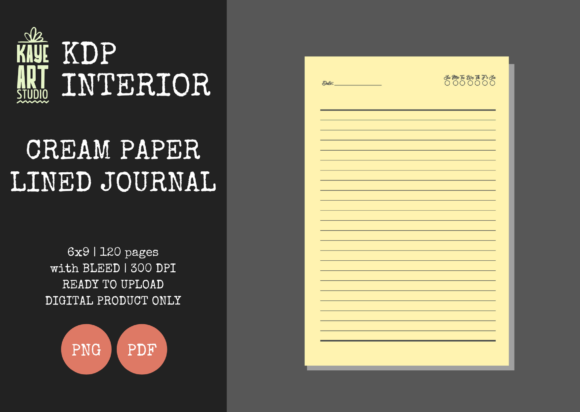
The landscape of self-publishing has shifted dramatically in recent years, moving away from speculative volume toward intentional quality and niche relevance. For creators building a sustainable portfolio on Amazon KDP, the foundation of success often lies not in complex manuscripts but in reliable, high-quality interiors that serve specific user needs. KDP Cream Paper Lined Journal 3 represents this evolution in low-content publishing, offering a refined interior solution designed for professionals, educators, and creatives who understand that the physical experience of a journal dictates its market viability. This resource is more than a template; it is a strategic asset for publishers aiming to meet modern expectations for tactile quality and print readiness.
In an era where digital fatigue is driving a resurgence in analog tools, the demand for well-crafted physical notebooks continues to grow. However, consumer tolerance for poor printing quality or generic layouts has diminished. Publishers can no longer rely on standard white paper interiors if they wish to compete in saturated categories. The shift toward cream paper reflects a broader preference for warmth, readability, and reduced eye strain, aligning with current wellness and productivity trends. By utilizing pre-tested, high-resolution interiors like KDP Interiors Cream Paper Lined Journal, creators can bypass technical hurdles and focus on what truly drives sales: distinctive cover design and targeted marketing.
The Strategic Value of Cream Paper in Modern Notebooks
Color psychology and material science play significant roles in how users interact with stationery. While bright white paper is standard for textbooks and high-contrast documents, cream paper has emerged as the preferred choice for journals, diaries, and creative notebooks. This preference is rooted in both aesthetics and function. Cream tones reduce glare under artificial lighting, making them ideal for evening journaling or indoor work environments. For the end-user, this subtle difference transforms a notebook from a utilitarian object into a comforting daily companion.
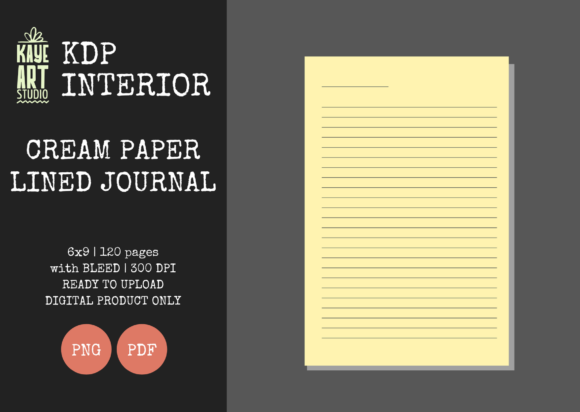
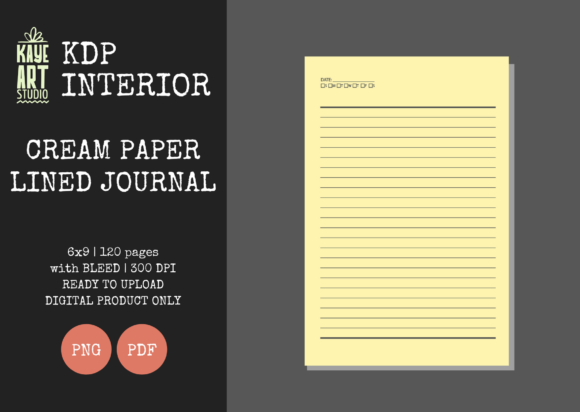
For the KDP publisher, selecting cream paper signals a commitment to quality. It differentiates products in search results where thumbnails often look identical. When a potential buyer reads "cream paper" in a book description or sees the warm tone in preview images, it sets an expectation of premium value. KDP Cream Paper Lined Journal 3 capitalizes on this trend by providing a 6×9 inch trim size that balances portability with ample writing space. This specific dimension remains the industry gold standard for trade paperbacks and journals, fitting comfortably in bags and on desks without feeling cumbersome or insufficient.
Technical Precision and Print Readiness
One of the most common pitfalls in low-content publishing is file rejection or poor print outcomes due to incorrect margin settings and bleed configurations. Amazon’s printing specifications are exacting, and even minor deviations can result in content being cut off or rejected during the upload process. This interior file eliminates guesswork by adhering strictly to professional standards. With 120 pages formatted at 300 DPI, the lines appear crisp and consistent rather than pixelated or faint, which is a frequent complaint in negative reviews of competitor products.
The inclusion of proper bleed settings is critical for lined journals where lines extend to the edge of the page or where decorative elements touch the trim line. A crucial operational note for users of this file is the requirement to select “BLEED” during the KDP upload process. Failing to toggle this setting will cause the automated previewer to flag errors or, worse, approve a file that prints incorrectly. Because these files have been tested specifically on KDP’s platform, publishers can proceed with confidence, knowing the interior geometry matches Amazon’s current manufacturing tolerances.
Adapting to Changing Creator Workflows
The modern KDP entrepreneur operates differently than the self-publisher of a decade ago. Today’s creators are often managing multiple income streams, balancing full-time careers, or running agencies where time is the scarcest resource. The romanticized notion of spending weeks formatting a single lined journal is no longer economically viable. Efficiency does not mean sacrificing quality; it means leveraging specialized assets to accelerate production cycles while maintaining high standards.
KDP Interiors Cream Paper Lined Journal fits seamlessly into agile publishing workflows. Available in both PNG and PDF formats, it offers flexibility for various design software and upload requirements. This interoperability allows creators to integrate the interior into their existing systems without conversion headaches. Whether you use Canva, Affinity Publisher, or Adobe InDesign for cover creation, having a standardized, reliable interior file reduces friction. This efficiency enables publishers to test more niches, iterate faster based on sales data, and build a diverse catalog without getting bogged down in repetitive formatting tasks.
The Separation of Interior and Cover Strategy
A vital aspect of using pre-made interiors is understanding the division of labor between the functional core and the marketing surface. This listing provides the interior only, a deliberate choice that empowers creators to maintain brand uniqueness. In low-content publishing, the cover is the primary conversion driver. Two books may share the same high-quality cream paper interior, but they will appeal to entirely different audiences based on cover aesthetics—one might target nurses with floral motifs, while another targets engineers with minimalist geometric designs.
By sourcing a proven interior like KDP Cream Paper Lined Journal 3, you secure the product's utility while retaining complete creative control over its market positioning. This separation prevents the "cookie-cutter" effect that plagues many low-content portfolios. Successful publishers treat interiors as infrastructure and covers as advertising. Investing time in original cover art, keyword research, and category selection yields far higher returns than manually drawing horizontal lines for the hundredth time.
Meeting User Expectations in the Analog Renaissance
Despite technological advancements, certain demographics continue to prefer pen and paper for cognitive processing. Educators use lined journals for lesson planning and student reflections. Therapists recommend them for CBT exercises and gratitude practices. Entrepreneurs utilize them for rapid logging and brainstorming sessions free from digital notifications. These users are discerning; they notice when lines are too dark, spacing is inconsistent, or paper quality feels cheap. They leave reviews that directly impact algorithmic visibility.
The 120-page count offered in this interior strikes an optimal balance for these use cases. Thinner notebooks can feel insubstantial and require frequent replacement, while thicker volumes become heavy and intimidating. At 6×9 inches, this journal serves as a practical daily tool rather than a shelf ornament. Publishers should highlight these specifications in their listings, emphasizing the tactile benefits of cream paper and the thoughtful page count. Authentic descriptions that address real user pain points—such as ghosting, glare, or awkward sizing—resonate more effectively than generic marketing copy.
Sustainable Practices in Digital Product Creation
Sustainability in KDP extends beyond paper sourcing to include the sustainability of the business model itself. Creating disposable, low-effort content contributes to marketplace saturation and wastes advertising budgets. Conversely, building a library of high-quality, reusable assets creates long-term value. Using tested, professional-grade interiors reduces waste associated with failed uploads, customer returns due to quality issues, and abandoned projects caused by technical frustration.
Furthermore, as AI-generated content floods the marketplace, human-curated quality becomes a stronger differentiator. While AI can generate patterns, it cannot verify print tolerances or understand the nuanced preferences of journal enthusiasts. Resources like KDP Cream Paper Lined Journal 3 represent verified, human-tested solutions. Integrating such assets into your workflow demonstrates a commitment to craftsmanship that algorithms and customers increasingly reward. It grounds your business in tangible quality rather than speculative automation.
Practical Implementation for Publishers
To maximize the effectiveness of this interior, publishers should adopt a systematic approach to product development. Begin by validating niche demand before creating covers. Use tools like Publisher Rocket or manual Amazon searches to identify underserved segments within the journal category. Once a viable niche is identified, pair KDP Interiors Cream Paper Lined Journal with custom artwork that speaks directly to that audience’s identity and aspirations.
During the upload phase, meticulous attention to detail prevents costly reprints. Always download the digital proof and review every page spread, paying special attention to margins and line alignment near the gutter. Remember to confirm the BLEED setting is active if your design extends beyond the safe zone. Test orders are invaluable; seeing the physical product reveals insights about color accuracy and binding that screens cannot convey. This hands-on verification builds trust with future customers and informs better design decisions for subsequent titles.
Ultimately, success in low-content publishing hinges on respecting the end-user’s experience. KDP Cream Paper Lined Journal 3 provides the structural integrity necessary for a positive user experience, freeing creators to excel in branding and market engagement. By combining technical reliability with creative distinction, publishers can build resilient businesses that thrive amid changing market conditions. The goal is not merely to publish another notebook, but to offer a genuine tool that enriches the daily lives of writers, thinkers, and doers. In doing so, we elevate the entire ecosystem of self-published stationery from commodity to craft.